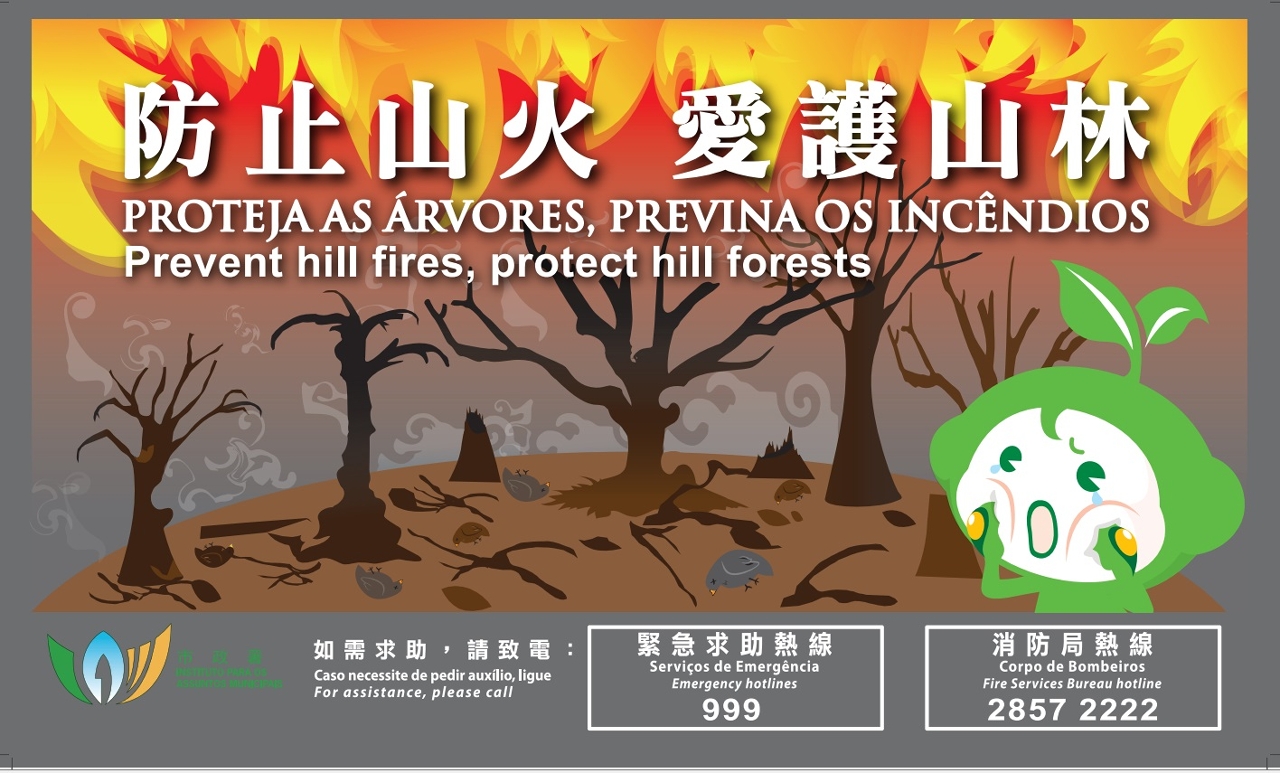
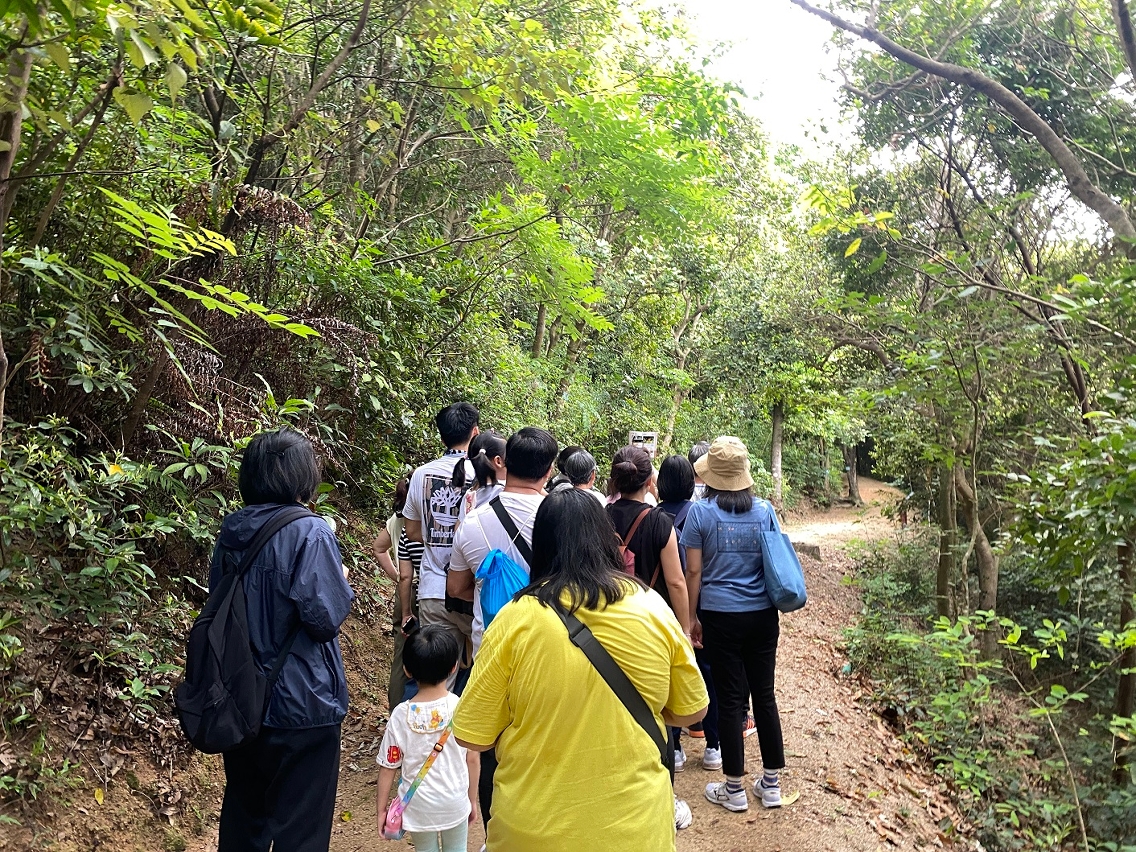
 IAM reminds the public to take fire precautions when they hike in the countryside
As autumn and winter approaches, the cool and dry weather makes these seasons a good time for the public to go on outdoor walks and hikes in the countryside. However, as the rainfall decreases and the weather gets dry, the risk of hill fires also increases. To ensure the public’s safety when they go to the countryside, the Municipal Affairs Bureau (IAM) urges the public to be more vigilant and take strict precautions against hill fires.
Macao generally experiences dry northerly or northeasterly winds during the autumn and winter seasons. Due to the low humidity, fallen leaves and wilted branches in the countryside can ignite in a short time upon contact with a fire source, potentially causing hill fires which are hard to control. Hill fires not only disrupt the natural ecosystem, but also threaten the safety of the lives and property of the public. IAM reminds the public that when they hike in the countryside, they should never light fires or cook in locations which are not designated as barbecue areas. They should also refrain from smoking or discarding cigarette butts carelessly in the countryside, so as to reduce the chance of hill fires. If they find any signs of hill fire, they should immediately stay away and call the emergency assistance numbers as soon as possible to make a report to the competent authorities.
Furthermore, the public should make thorough preparations before going on hikes, such as planning their route specifically and carefully and paying attention to weather changes to adjust or cancel their hikes in advance; bringing the necessary items, water, contact telephone and first-aid kits, etc.; and bringing their own garbage with them consciously, so as to jointly protect the beautiful natural environment.