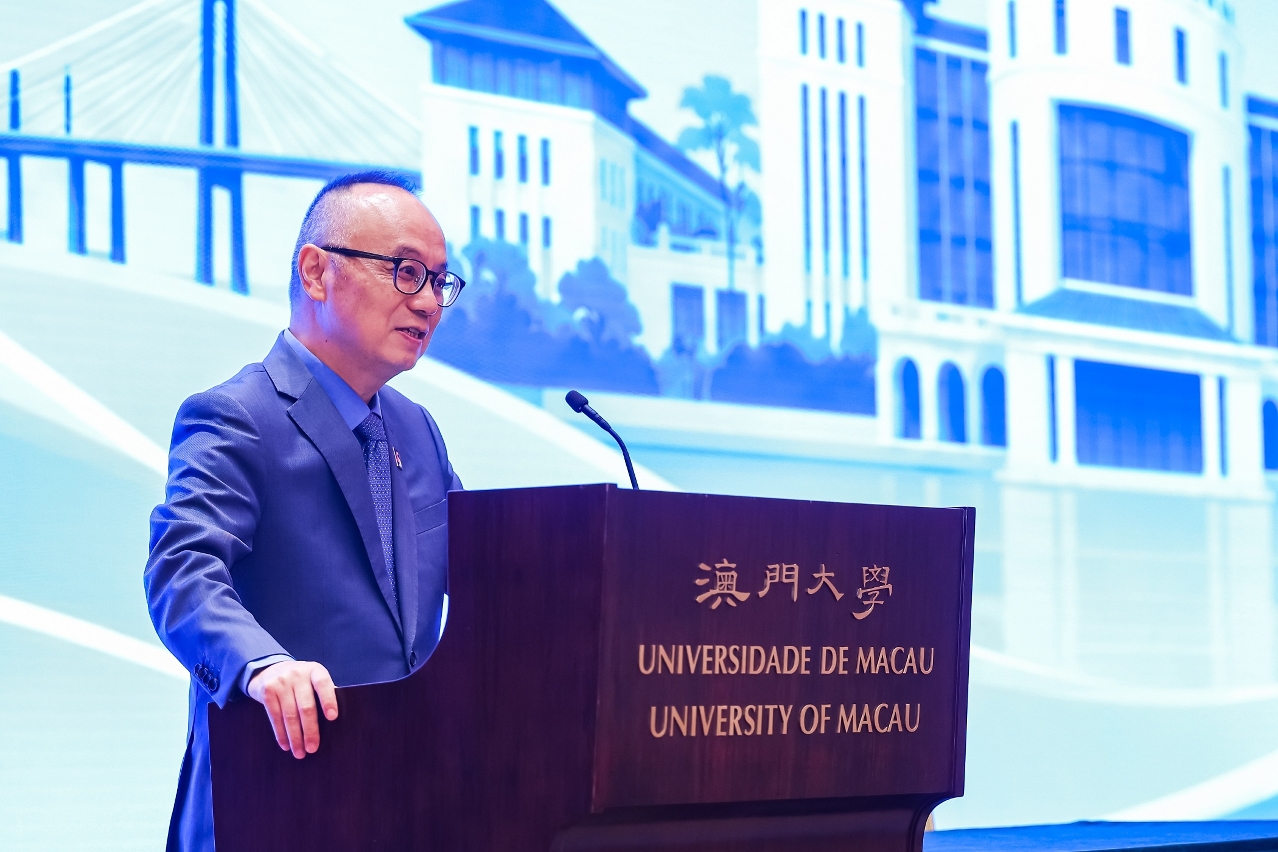
 Yonghua Song
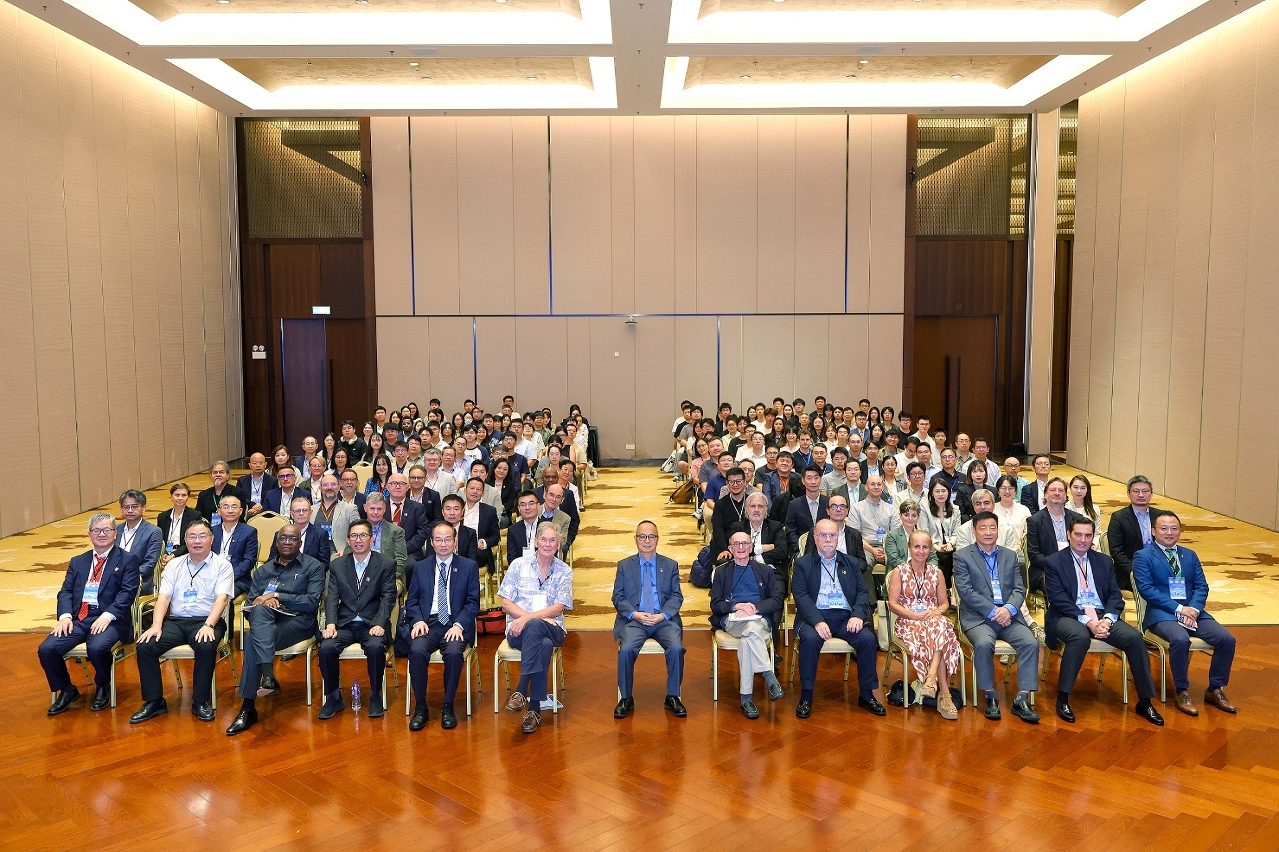
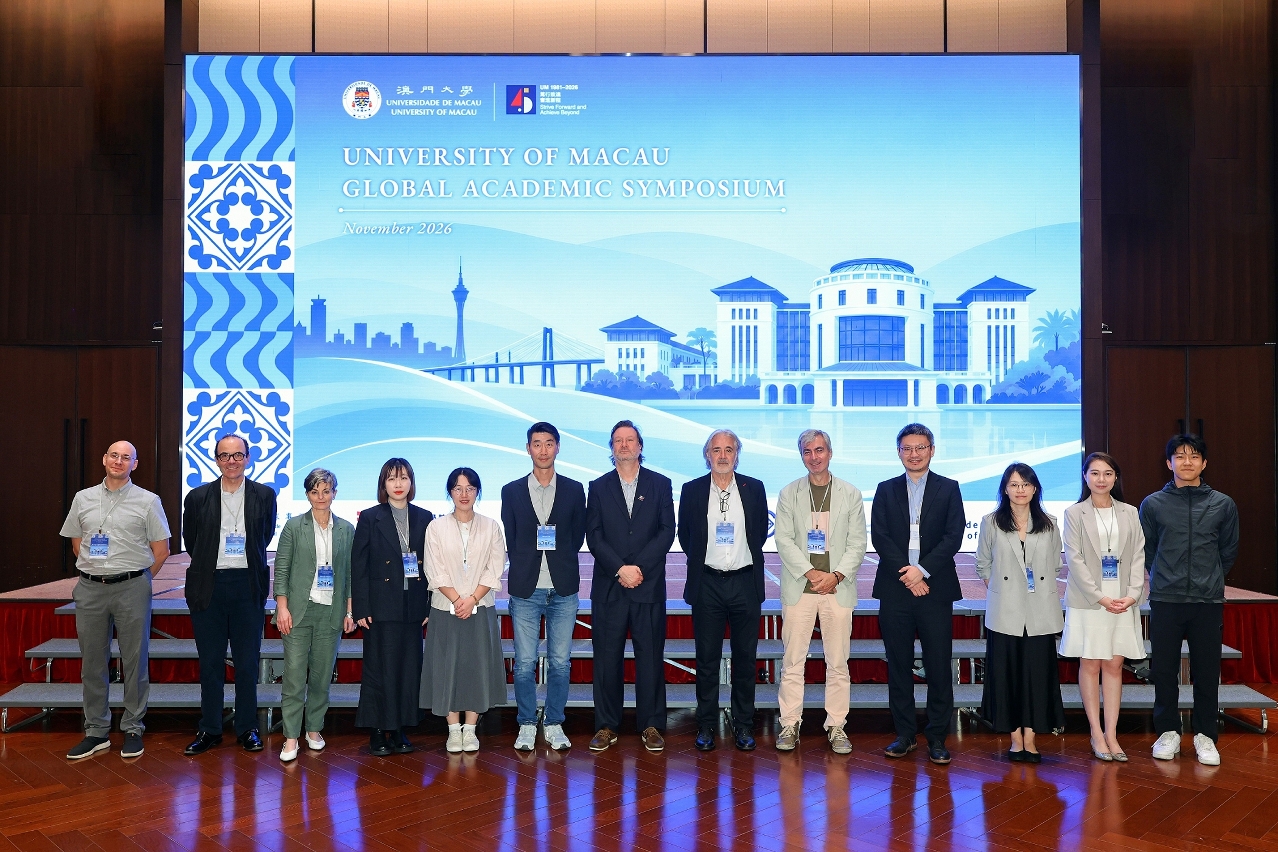
The third UM Global Academic Symposium, organised by the University of Macau (UM), opened today (5 November). As part of UM’s 45th anniversary celebrations, the two-day symposium has brought scholars from 34 institutions across the UK, the US, Australia, Portugal, Spain, Switzerland, France, Singapore, Japan, South Korea, and the Chinese mainland. Participants gather to explore opportunities for international collaboration in research and talent cultivation, and to strengthen partnerships with institutions around the world.
Speaking at the opening ceremony, Yonghua Song, rector of UM, said that this year marks the third edition of the annual UM Global Academic Symposium, and the symposium has become a flagship event for international academic exchange at UM, promoting academic exchange, and advancing broader and deeper international collaboration. He added that with the continued development of UM’s Cooperation Zone campus will present greater opportunities for the university to expand its international cooperation, innovate talent cultivation models, and promote high-level academic exchange.
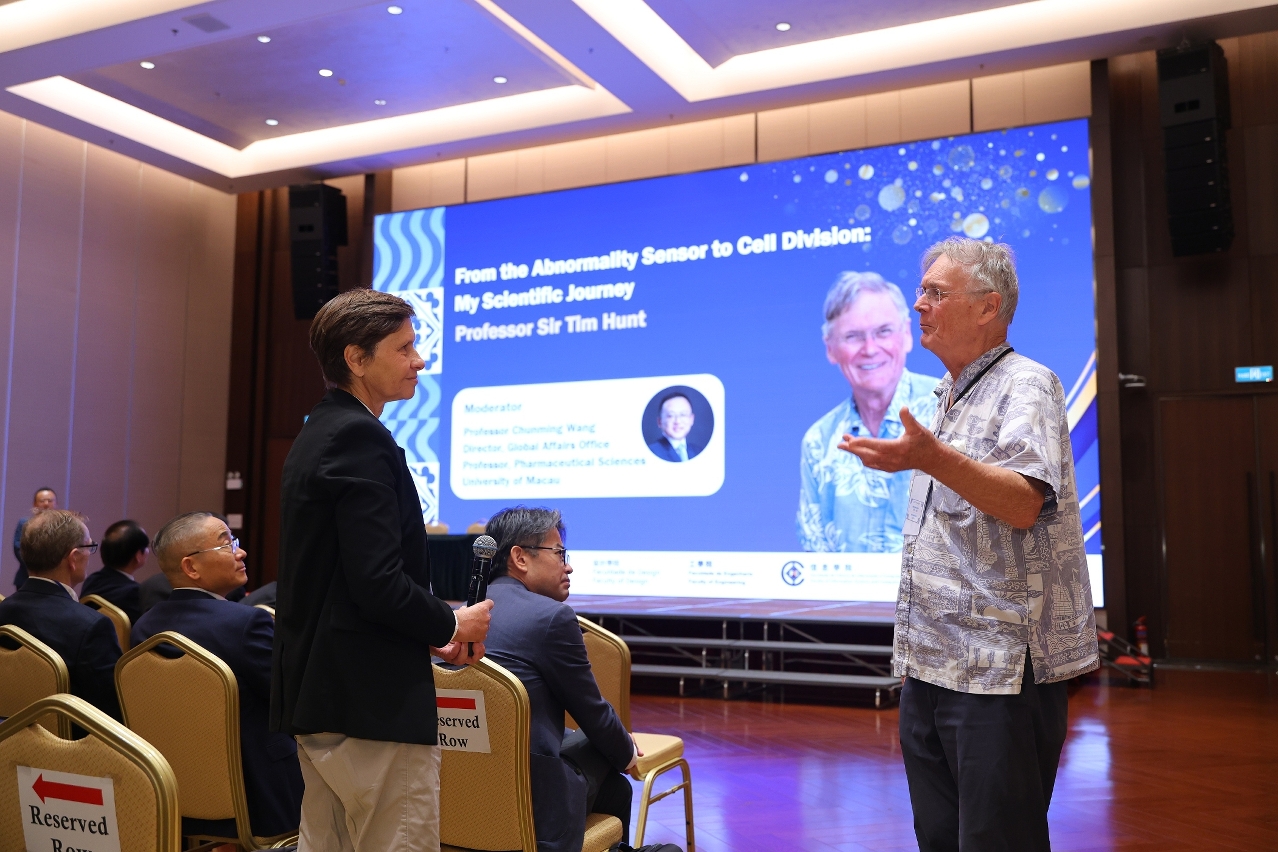
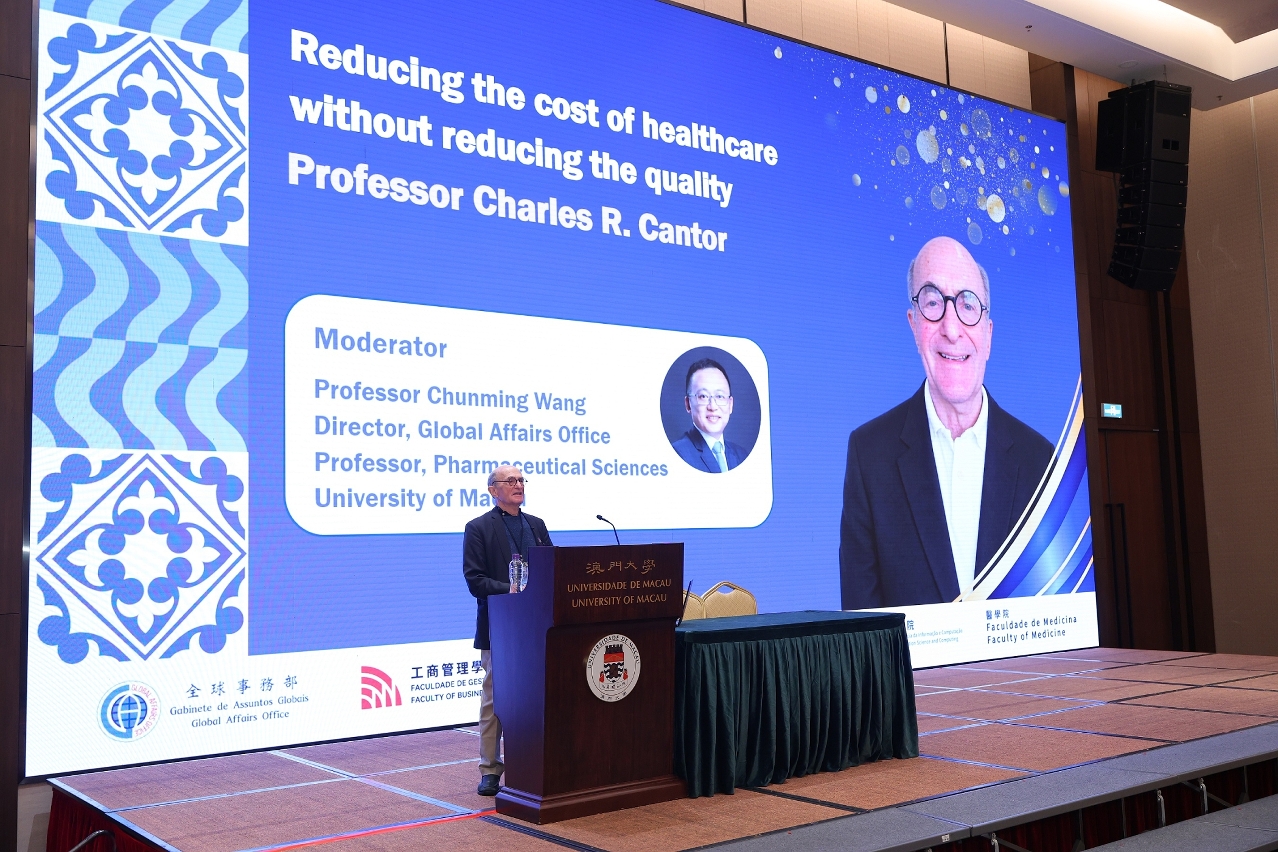
The symposium features keynote addresses by two distinguished scholars. Sir Tim Hunt, recipient of the 2001 Nobel Prize in Physiology or Medicine, delivered a speech titled ‘From the Integrated Stress Response to Cell Division: A Scientific Journey’, in which he recounted his research journey from basic research to major discoveries. Charles R. Cantor, member of the US National Academy of Sciences, presented ‘Reducing the Cost of Healthcare Without Reducing the Quality’, in which he discussed medical innovation and the sustainable development of the ‘big health’ industry.
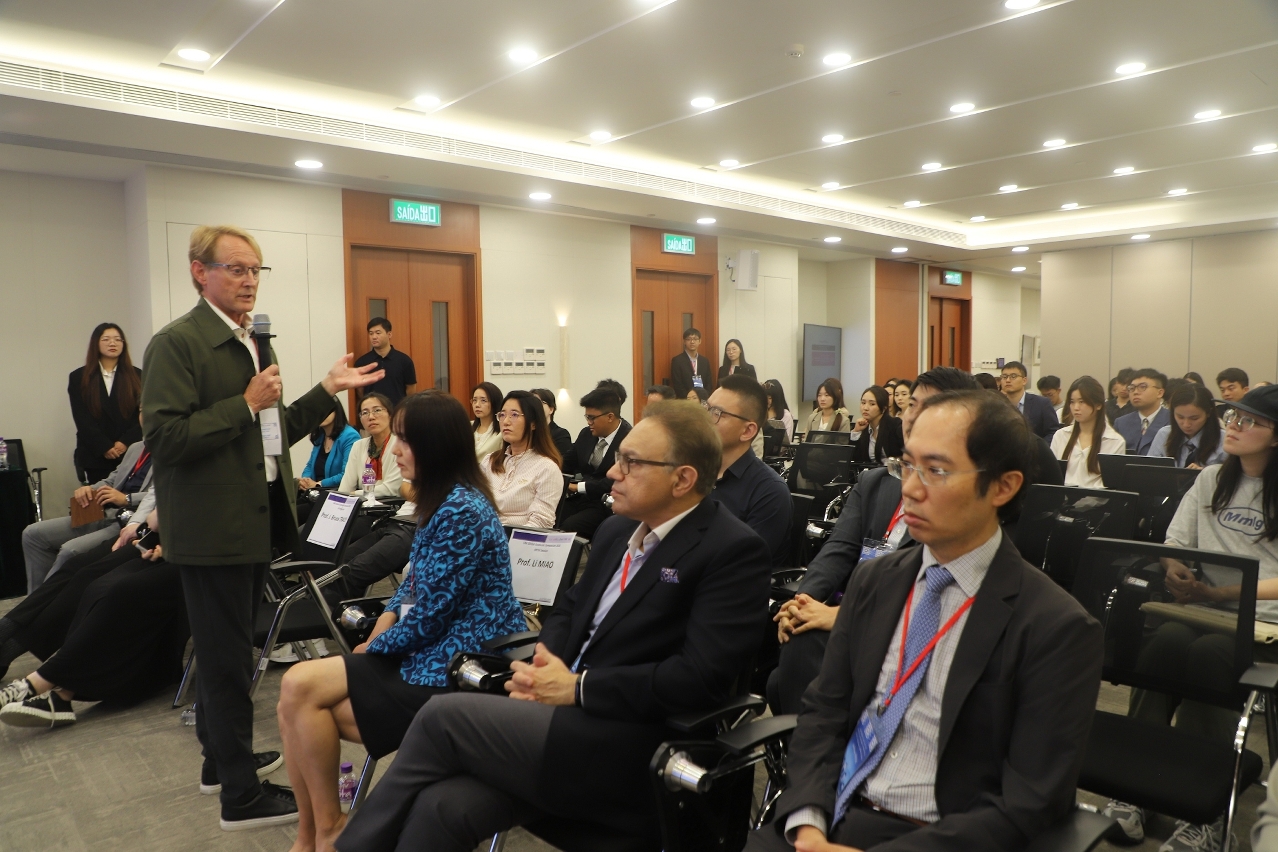
The symposium comprises five parallel sessions organised by UM’s Faculty of Business Administration, Faculty of Design, Faculty of Engineering, Faculty of Information Science and Computing, and Faculty of Medicine, covering business administration, design, engineering, information science, and medicine respectively. In addition to participating in discussions, attendees have opportunities to visit UM’s campus and research facilities, and engage with UM faculty and students on the future of higher education and international collaboration.
The parallel session hosted by the Faculty of Business Administration focuses on digital innovation and business transformation in the intelligent era. Scholars and experts from leading institutions worldwide explore the opportunities and challenges that artificial intelligence and digital technologies present to areas such as tourism and hospitality management, accounting and capital markets, and business analytics. Participants also analyse new trends in business and social development from different viewpoints, thereby promoting academic exchange and fostering international cooperation.
The parallel session hosted by the Faculty of Design takes place at the Macao-Hengqin International Education (University) Town. Under the theme ‘The Nature of Design’, design scholars from around the world discuss how design education can integrate technology and industry in the context of global industrial transformation, and consider how institutions can leverage their academic strengths from a cross-cultural and interdisciplinary perspective. They also explore the connections between design education, technology, industry, and urban life. The session fosters international exchange and cooperation in the design sector and contributes expertise to Macao-Hengqin integration.
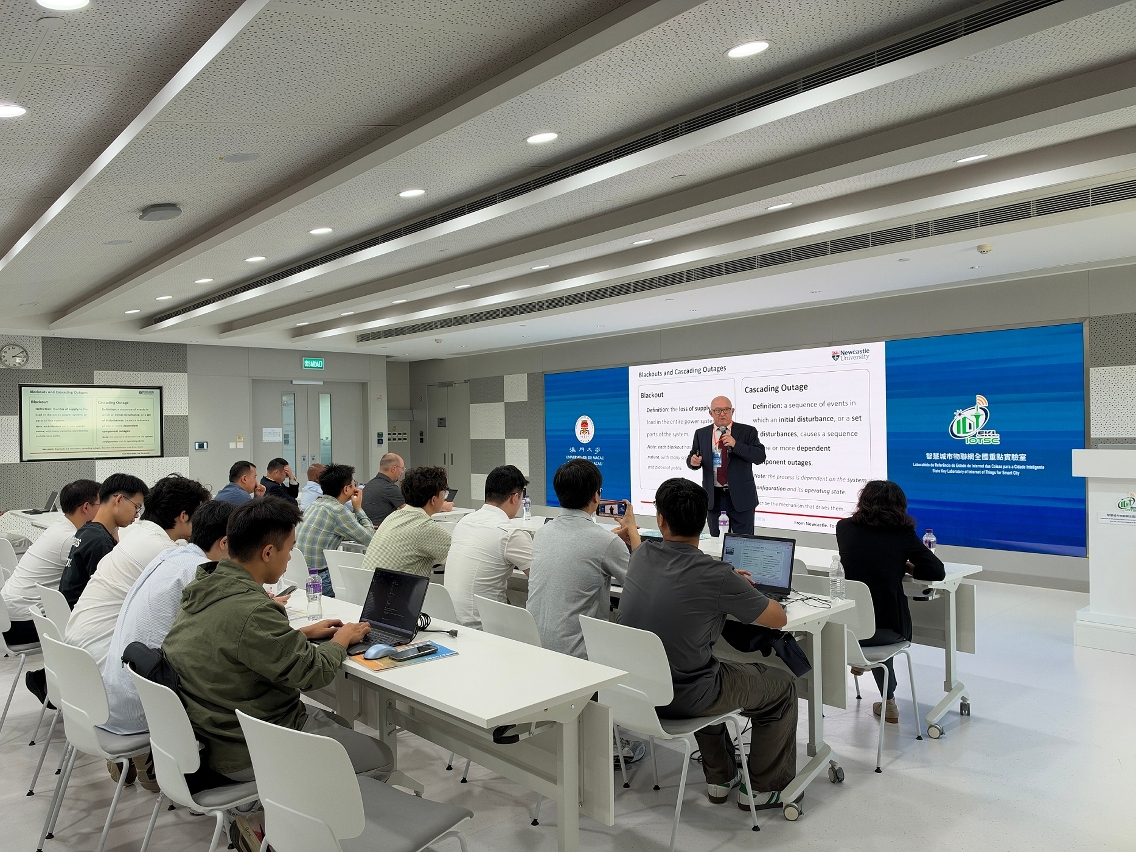
The parallel session hosted by the Faculty of Engineering, themed ‘Connecting Ideas: Global Perspectives in Engineering’, brings together leading scientists from institutions including The University of Newcastle, The University of Melbourne, The University of Western Australia, the University of Washington, the University of Reading, and Nagoya University. Discussions focus on topics such as cybersecurity protection for smart grid, risk management for energy systems, sustainable building design, high-performance magnetic materials, advanced electrical machine development, linear system control theory, water resource circulation, and biotechnological applications. Participants also conduct an in-depth analysis of the innovation and integration of global engineering concepts in various scenarios.
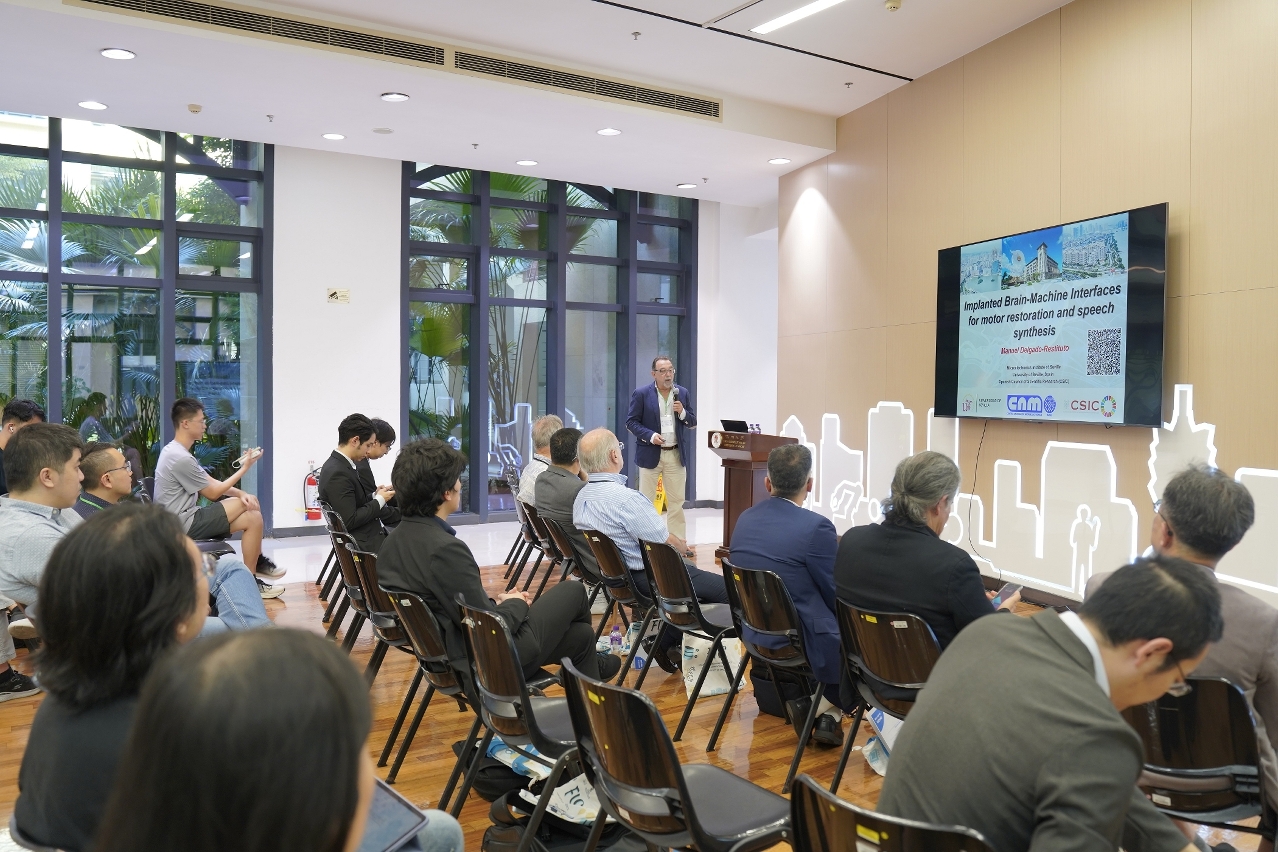
The parallel session hosted by the Faculty of Information Science and Computing, themed ‘The Human-Technology Frontier: Sensing, Computing and Robotics’, features experts from leading institutions including The University of Tokyo, the University of Glasgow, Yonsei University, and Osaka University. Participants discuss emerging fields such as brain-computer interfaces, participatory AI, wearable quantum sensing, quantum technologies, flexible nanoelectronics and bioadaptive interfaces, and analyse the innovation and integration of sensing technologies, advanced computing, and robotics in different contexts.
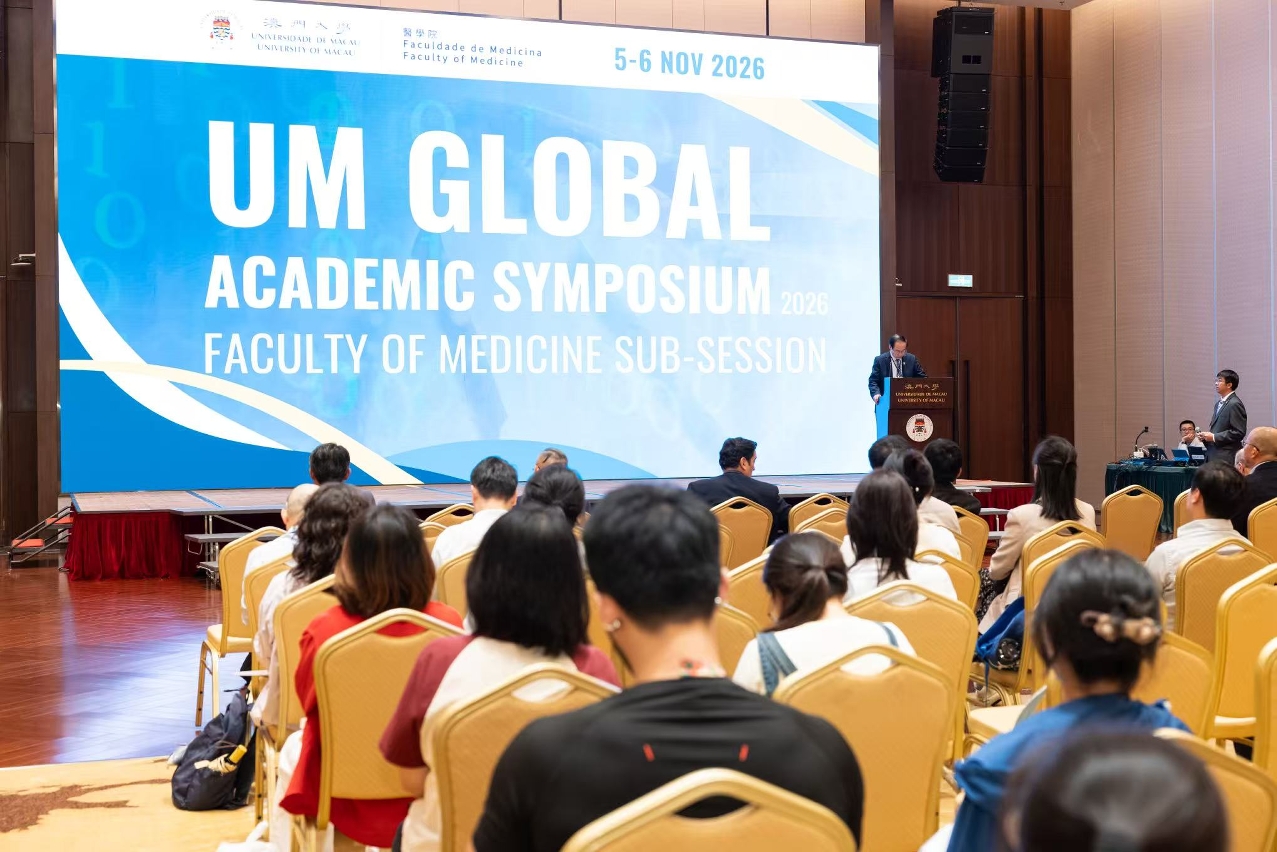
The parallel session hosted by the Faculty of Medicine is themed ‘Pushing the Limits of Biomedical Discovery’. Discussions focus on the latest advances in biomedical research, translational medicine, and healthcare innovation, covering topics such as RNA therapeutics, cancer biology, stem cells and regenerative medicine, immune disorders, metabolic disorders, and public health. Participants also examine how basic research outcomes can be translated into innovative diagnostic and treatment solutions to enhance patient care, advance precision medicine, and address current and future health challenges.
The symposium facilitates academic exchange among participants and provides a high-level platform for interdisciplinary dialogue. It also enables UM to explore potential collaboration with international partners. The university will continue to deepen its engagement with the global academic community and contribute to the advancement of higher education worldwide.