 UM and Brazilian institutions jointly organise a seminar on law and AI
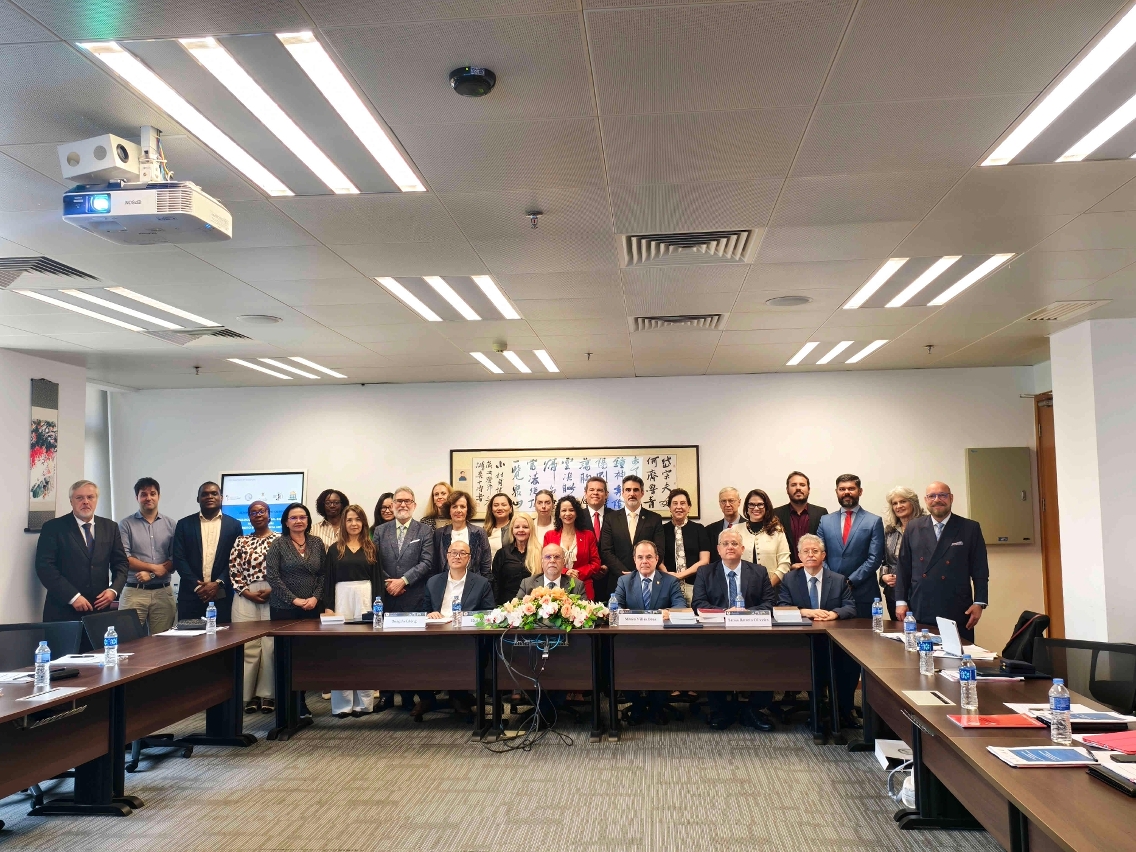
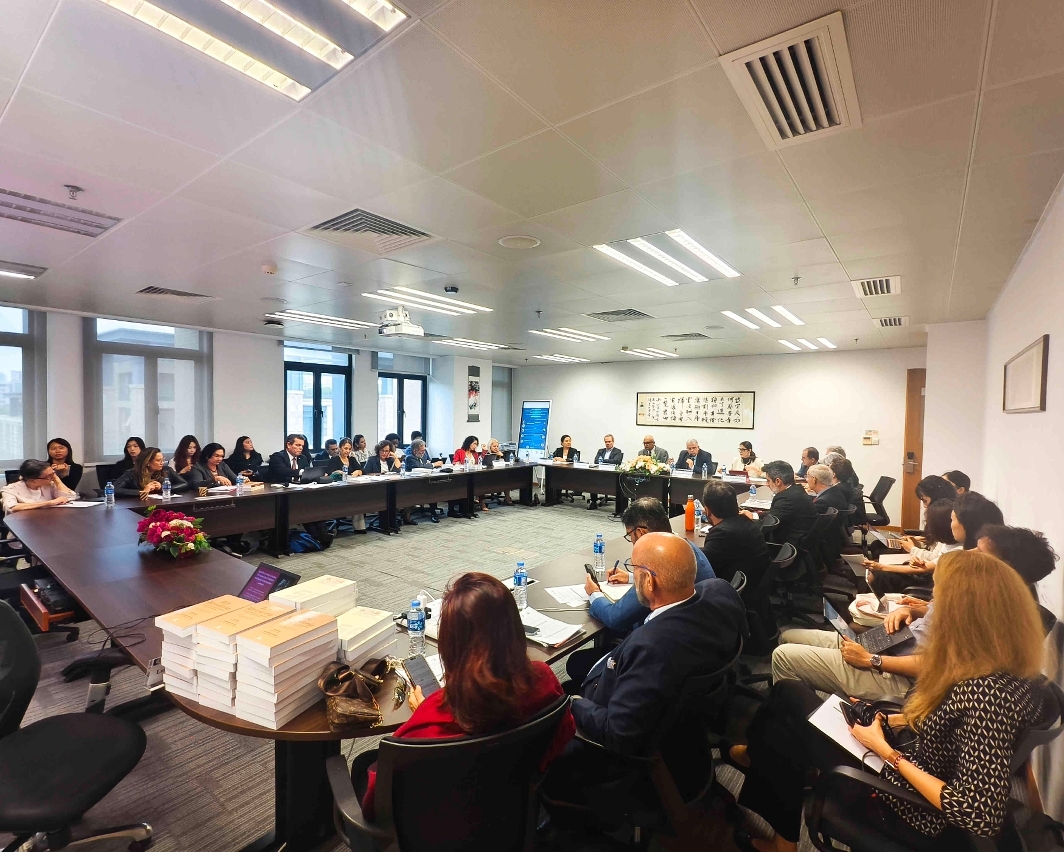
The Faculty of Law (FLL) of the University of Macau (UM); the Federal University of Tocantins (UFT), Brazil; and the Superior School of the Judges of the State of Tocantins (ESMAT), Brazil jointly organised a seminar titled ‘Dialogue Between Macao and Brazil: Law and Artificial Intelligence’. The event brought together scholars, judges, researchers, and students from Macao and Brazil to engage in in-depth discussions on the impact and challenges of artificial intelligence (AI) in the legal sector.
At the opening ceremony, UM Vice Rector Rui Martins highlighted UM’s role as a platform for dialogue between China and Portuguese-speaking countries. Tong Io Cheng, dean of UM FLL, discussed the dual challenge of regulating AI while using it to enhance judicial efficiency and equity. Marco Villas Boas, director-general of ESMAT, emphasised the opportunities presented by AI and advocated for its ethical and responsible use. Tarsis Barreto Oliveira, coordinator of programme in judicial provision and human rights at UFT, underscored the strategic importance of the seminar in promoting collaboration between Brazil and Macao in related fields.
The seminar included two main sessions. The first session, conducted in Portuguese, featured presentations on topics such as AI’s impact on the productivity of the Brazilian magistracy, conflicts between regulatory frameworks like the EU AI Act and arbitration, and challenges in liability, governance, and data protection. There were also presentations covering corporate governance, intellectual property protection against generative AI, and practical applications such as the ‘Project Horus’ for environmental governance.
The second session, conducted in English, began with an analysis of algorithmic justice in the Brazilian judiciary, distinguishing between active and passive generative AI. Subsequent presentations explored global AI governance debates, the use of AI in Chinese criminal justice, and regulatory perspectives in Brazil. The session also addressed the integration of AI and the Internet of Things in the judicial ecosystem, comparative data governance between Brazil and China, ethical issues in AI and biomedicine, and the limits of AI applications in criminal law.
The seminar concluded with closing remarks by Manuel Trigo, director of the UM Centre for Law Studies; Jiang Yiwa, deputy director of the UM Centre for Legal Studies; Marco Villas Boas; and Tarsis Barreto Oliveira. They highlighted the significance and success of the event.