 Yonghua Song
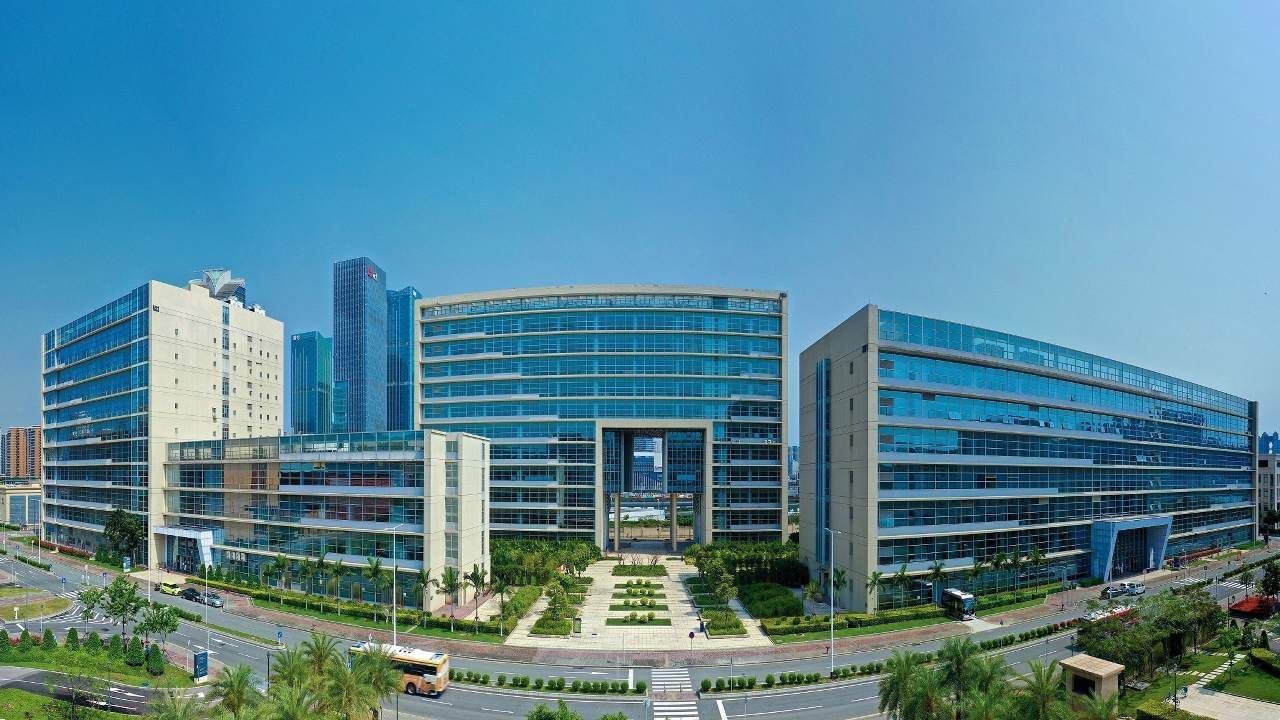
The University of Macau (UM), marking its 45th anniversary this year, is now in a crucial stage of development. The university is implementing cross-border education in an orderly manner, and the construction of its campus in the Guangdong-Macao In-Depth Cooperation Zone in Hengqin is in full swing. As five new science and technology faculties are set to be established soon, UM’s research layout is embracing innovation and transformation. The university plans to form a collaborative system linking faculties, research institutes, and state key laboratories, comprising a total of 11 research institutes focusing on cutting-edge technology, innovation, and knowledge transfer. This initiative aims to accelerate the translation of high-tech laboratory research into industrial applications, thereby supporting Macao’s economic diversification. Among them, the Institute of Smart City Technologies and the Institute of Artificial Intelligence and Brain Sciences will be inaugurated and commence operations on 1 August.
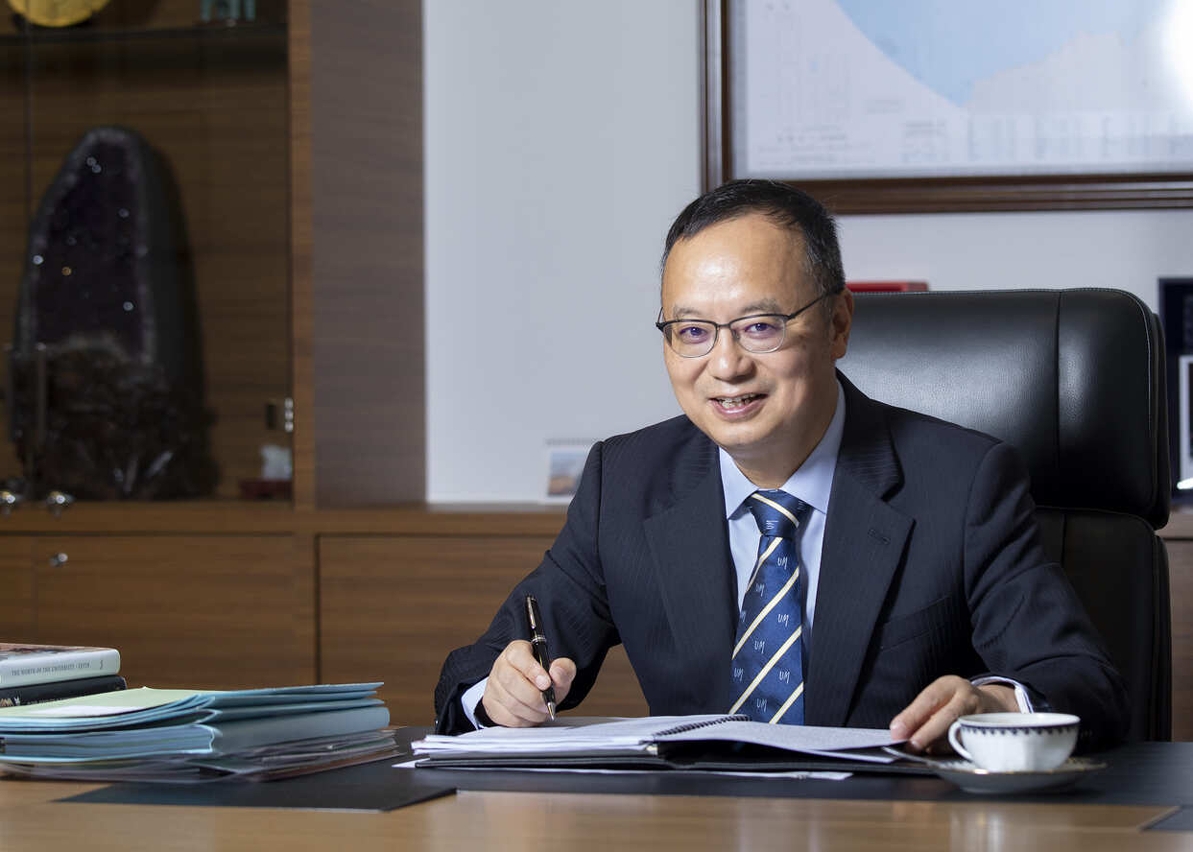
In addition to restructuring its existing Faculty of Science and Technology and Faculty of Health Sciences, UM will launch five new science and technology faculties in the 2026/2027 academic year—the Faculty of Medicine, the Faculty of Engineering, the Faculty of Science, the Faculty of Information Technology, and the Faculty of Design—promoting interdisciplinary integration across medicine, engineering, information science, and intelligent technologies. UM Rector Yonghua Song said that UM is establishing new research institutes that meet high standards, in order to enable researchers from different disciplines to collaborate and address major challenges, as well as to attract high-calibre talent from around the world. This will enable the university to provide continued support for innovation and technology development in Macao, the Cooperation Zone, the Guangdong-Hong Kong-Macao Greater Bay Area, and the whole country.
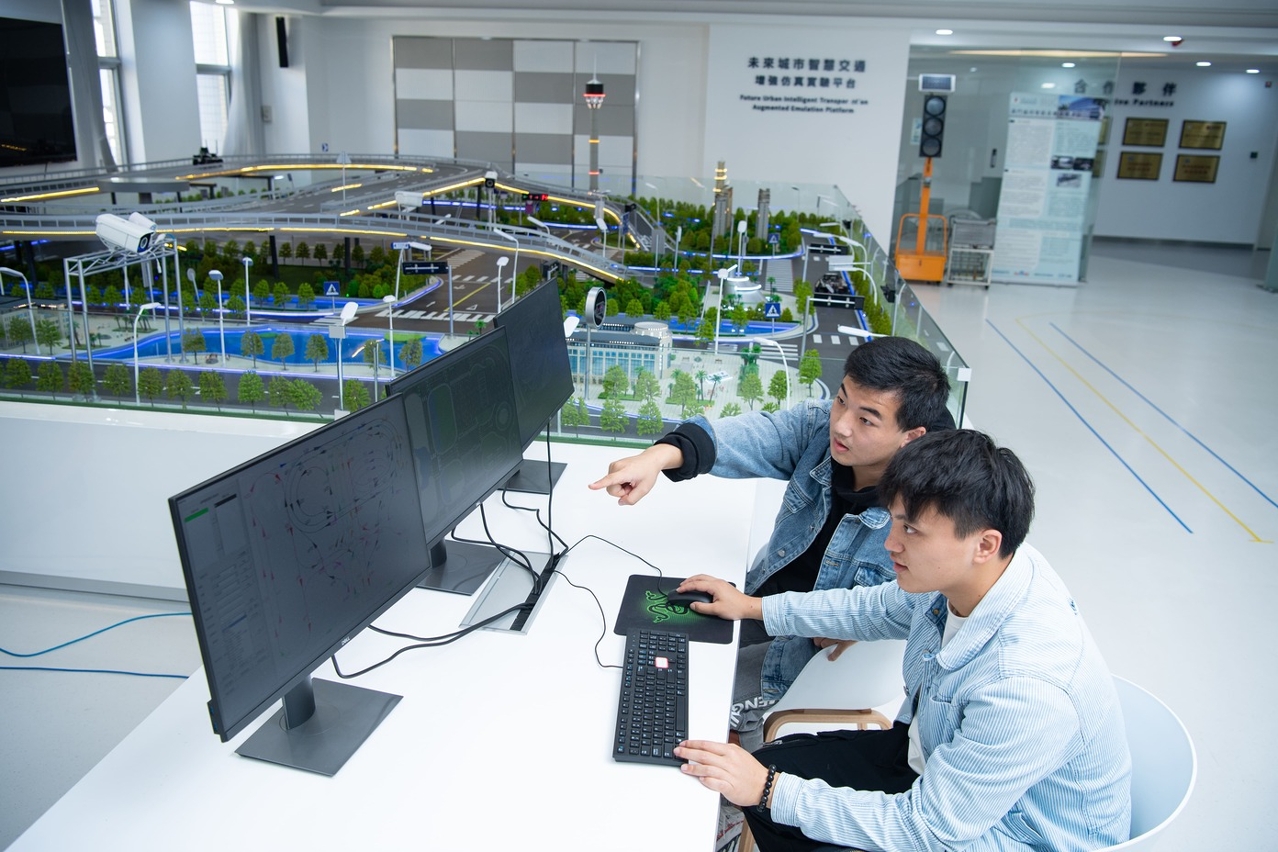
UM will advance the development of its research institutes through two key approaches. The first is to establish a mechanism that links laboratories and research institutes, with the three state key laboratories as its core. Notably, the Institute of Smart City Technologies, which is built on the State Key Laboratory of Internet of Things for Smart City, will be inaugurated on 1 August. The institute will focus on five key research areas—intelligent sensing and network communication, urban big data and intelligent technology, smart energy, intelligent transportation, and urban safety and disaster prevention—all aimed at establishing Macao as a model for smart cities.
The second is to embrace the ‘AI+’ development concept and cultivate several emerging interdisciplinary research clusters to better serve regional and national innovation priorities. The Institute of Artificial Intelligence and Brain Sciences, which will also be inaugurated on 1 August, will house four research centres focusing on artificial general intelligence, robotics, cognitive and brain sciences, and data science respectively. The institute will focus on interdisciplinary research involving intelligence science and neuroscience, providing technological support for healthcare, social governance, and smart industries.
Alongside the establishment of the Faculty of Medicine on 1 August, UM is progressing with the formation of two new research institutes, one focusing on life sciences and the other on clinical and translational medicine. The former will centre around mechanistic and original research in basic medical and life sciences, while the latter will concentrate on clinical research and translating research findings into practical applications. Together with UM’s existing research institutes—including the Institute of Chinese Medical Sciences, the Institute of Microelectronics, the Institute of Applied Physics and Materials Engineering, the Institute of Collaborative Innovation, the University of Macau Advanced Research Institute in Hengqin, the Zhuhai UM Science & Technology Research Institute, and the UM Hetao Integrated Circuit Research Institute—the four new research institutes will form a network of 11 research institutes to advance frontier research and technology transfer.
Song added that the systematic expansion and reallocation of resources within UM’s research institute framework reflect the maturation of its high-level talent development model, and lay a solid foundation for industry-academia integration between Macao and Hengqin. The research institutes will focus on achieving technological breakthroughs, developing new quality productive forces, and driving the deep integration of innovation chain, talent chain, and industry chain. Meanwhile, the cross-border research platforms in Hengqin, Zhuhai, and Shenzhen will precisely align with the needs of the four emerging industries, accelerating the commercialisation of Macao’s research outcomes through R&D, real-world validation, and industrial application.