UM holds academic forum ‘Friends of Health’
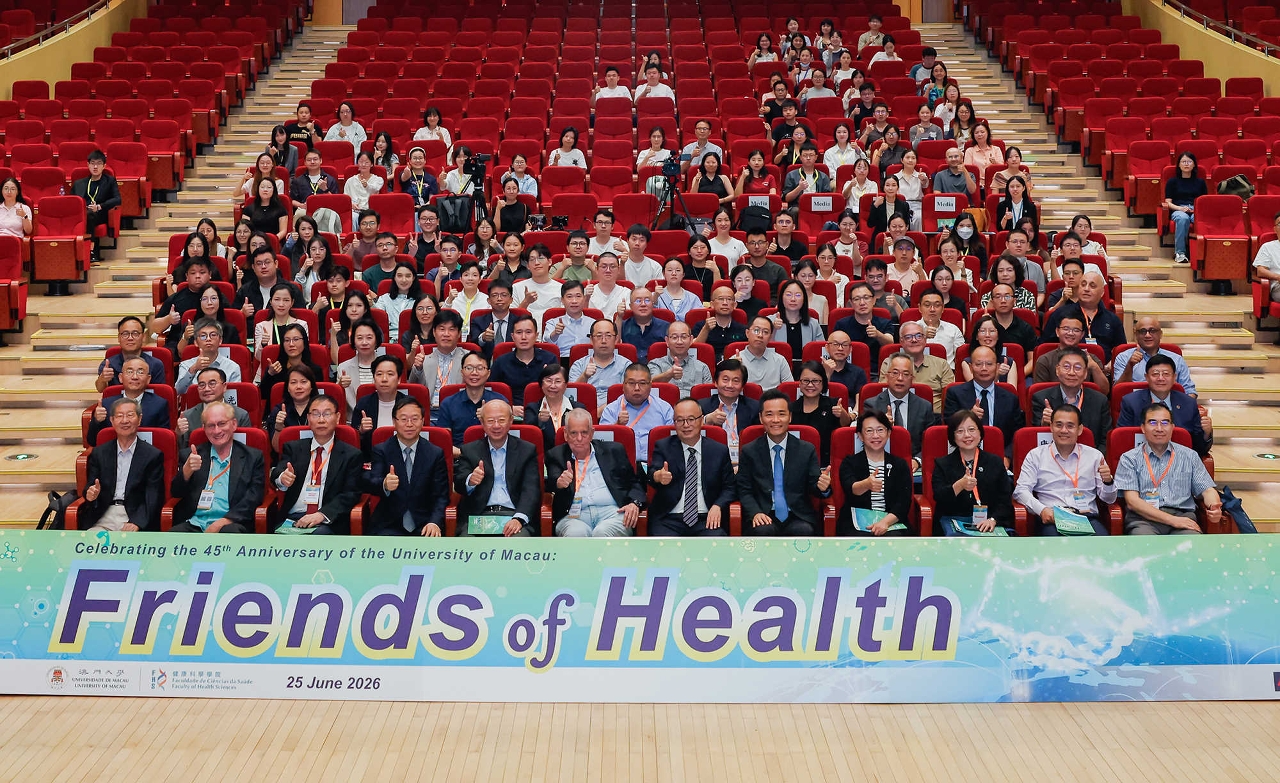
In celebration of the 45th anniversary of the University of Macau (UM), the UM Faculty of Health Sciences (FHS) hosted an academic forum titled ‘Friends of Health’ today (25 June). The event brought together over 200 experts, researchers, faculty members and students in biomedical sciences, including a Nobel laureate and leading academicians, to discuss the latest developments and future directions in the field.
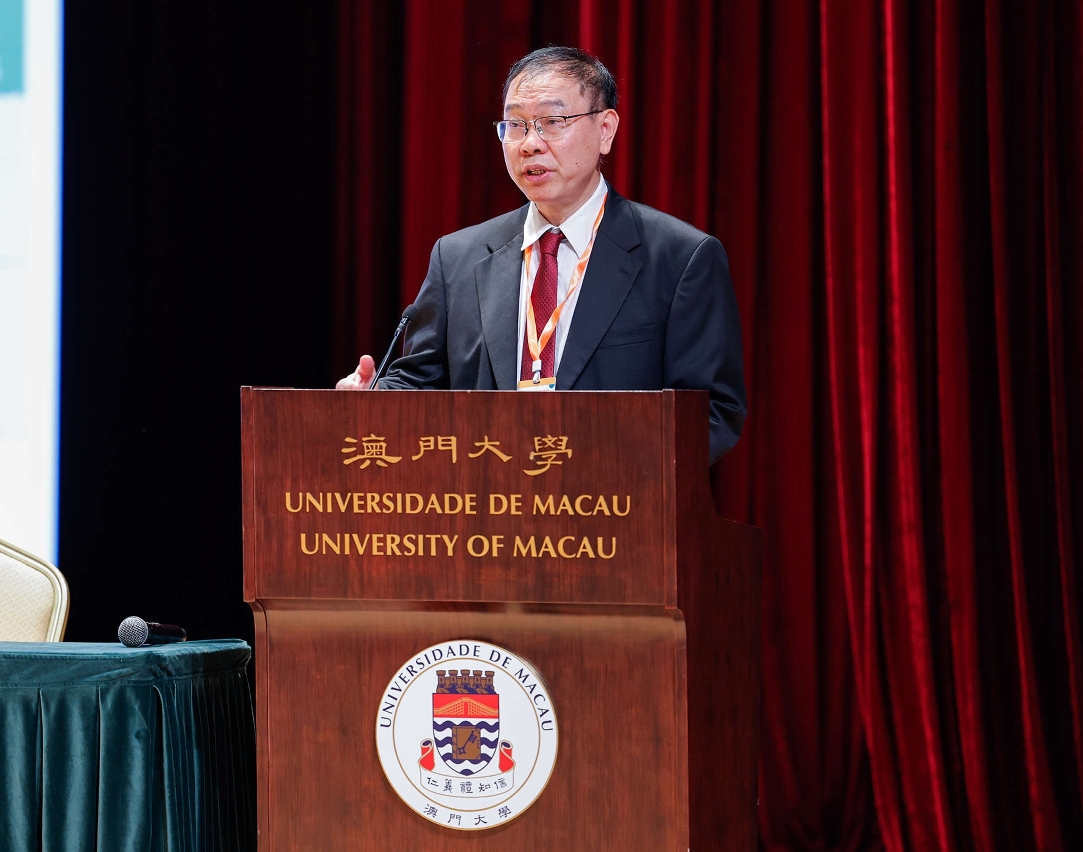
Speaking at the event, UM Rector Yonghua Song said that, over the years, FHS has built a distinctive and robust foundation in biomedical research and education, establishing UM as a significant player in the global research landscape of health sciences, and providing critical support for the university’s efforts to advance medical education. Building on years of expertise, strategic planning, and international collaboration, FHS will be restructured and enter a new phase of development as the Faculty of Medicine. The Faculty of Medicine will promote the deep integration of basic research and clinical application, cultivate medical professionals and researchers with a global outlook, and strengthen UM’s international influence in health sciences. Song added that the academic forum not only highlights UM’s commitment to academic excellence and international collaboration, but also provide an important platform to strengthen global partnerships and advance the sustainable development of biomedical sciences.
FHS Dean Chuxia Deng said that the forum celebrates the long-standing collaborations and friendships that have supported the faculty’s growth, and showcases the faculty’s achievements over the years. Since its establishment in 2013, FHS has set up over 50 research laboratories and platforms, including the Frontiers Science Center for Precision Oncology approved by the Ministry of Education. To date, the faculty has nurtured over 1,000 researchers and specialists, and published more than 2,900 peer-reviewed journal articles which have received over 99,000 citations, demonstrating steady growth in research capacity. Deng also noted that FHS will be restructured as the Faculty of Medicine in August, marking a new phase of development focused on research excellence, talent development, and global partnerships.
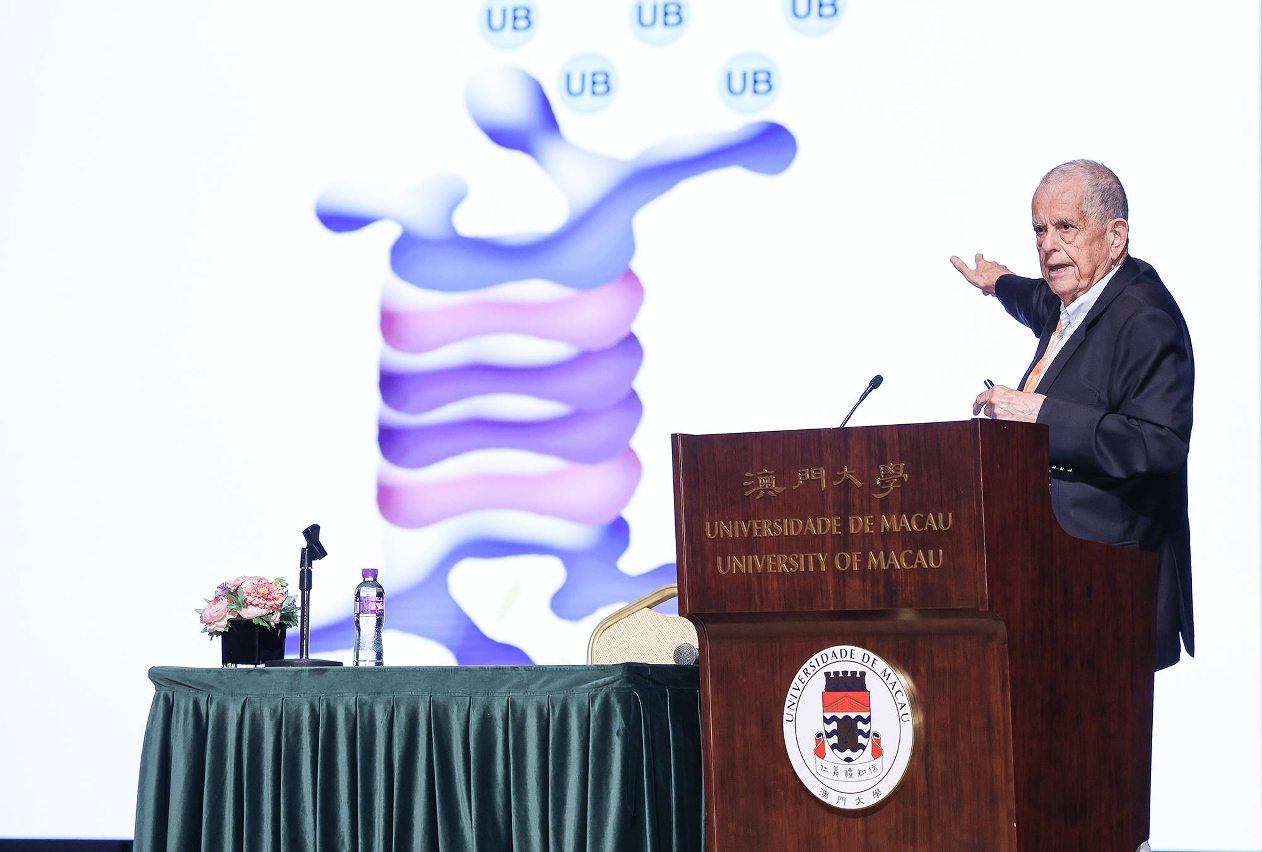
Aaron Ciechanover, Nobel Laureate in Chemistry and Distinguished Research Professor at the Technion – Israel Institute of Technology, delivered a keynote address on the discovery of the ubiquitin proteolytic system and its far-reaching impact on modern biology. He outlined its central role in cellular protein regulation and explained how it governs critical physiological processes, including the cell cycle, immune response, and disease development. He also discussed how advances in this field are informing the development of novel therapeutic strategies, highlighting the profound significance of basic research for clinical medicine.
Other distinguished scholars also spoke at the forum: John Mekalanos, professor from Harvard Medical School, discussed host-pathogen-microbiota interactions in disease development; Chen Yeguang, professor from Nanchang University and academician of the Chinese Academy of Sciences, spoke on signalling pathways in intestinal homeostasis and regeneration; Chen Runsheng, academician of the Chinese Academy of Sciences, explored the applications of artificial intelligence in biomedical sciences; and Kang Yibin, professor from Princeton University, presented the latest advances in cancer metastasis and tumour microenvironment research.
The forum also featured a poster session showcasing research by UM faculty and students, providing opportunities for participants to exchange ideas and engage in academic discussions.