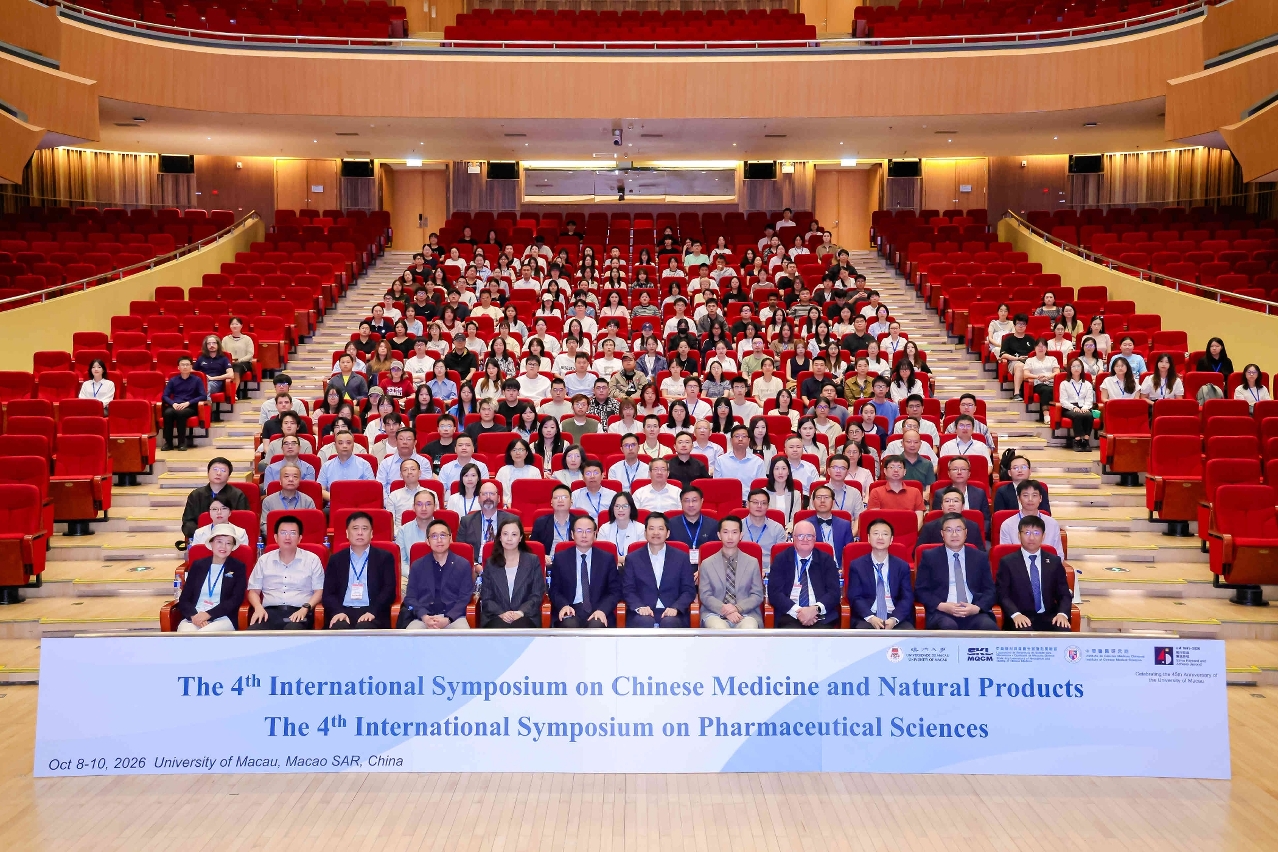
 The 4th International Symposium on Chinese Medicine and Natural Products and the 4th International Symposium on Pharmaceutical Sciences
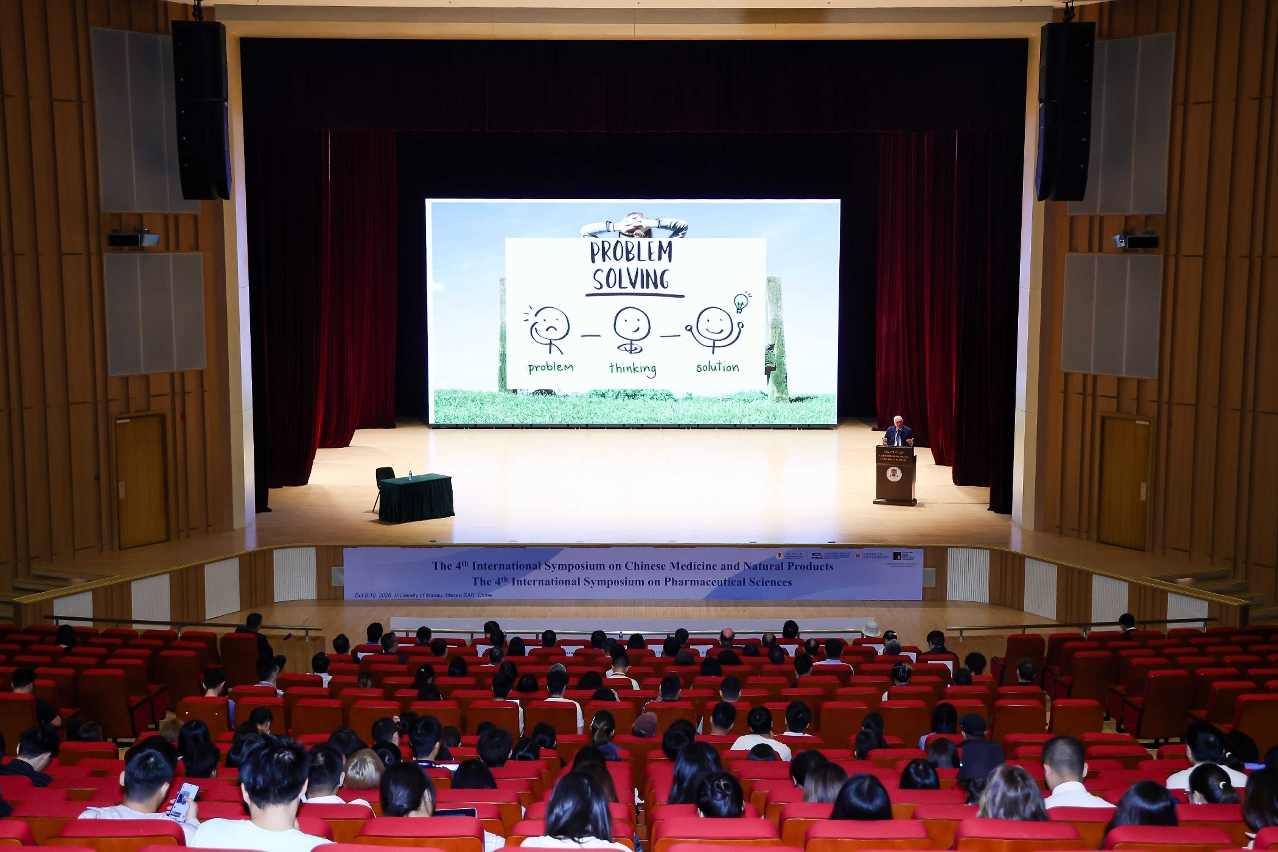
, organised by the Institute of Chinese Medical Sciences (ICMS) and the State Key Laboratory of Mechanism and Quality of Chinese Medicine (SKL-MQCM) at the University of Macau (UM), was held at UM. Under the theme ‘Continuity, Convergence, Cocreation’, the symposium brought together over 300 leading scientists, researchers, industry leaders, faculty members, and students from the Chinese mainland, the Hong Kong and Macao SARs, the US, the UK, Germany, Singapore, and Japan to explore innovative development in Chinese medicine and natural product research.
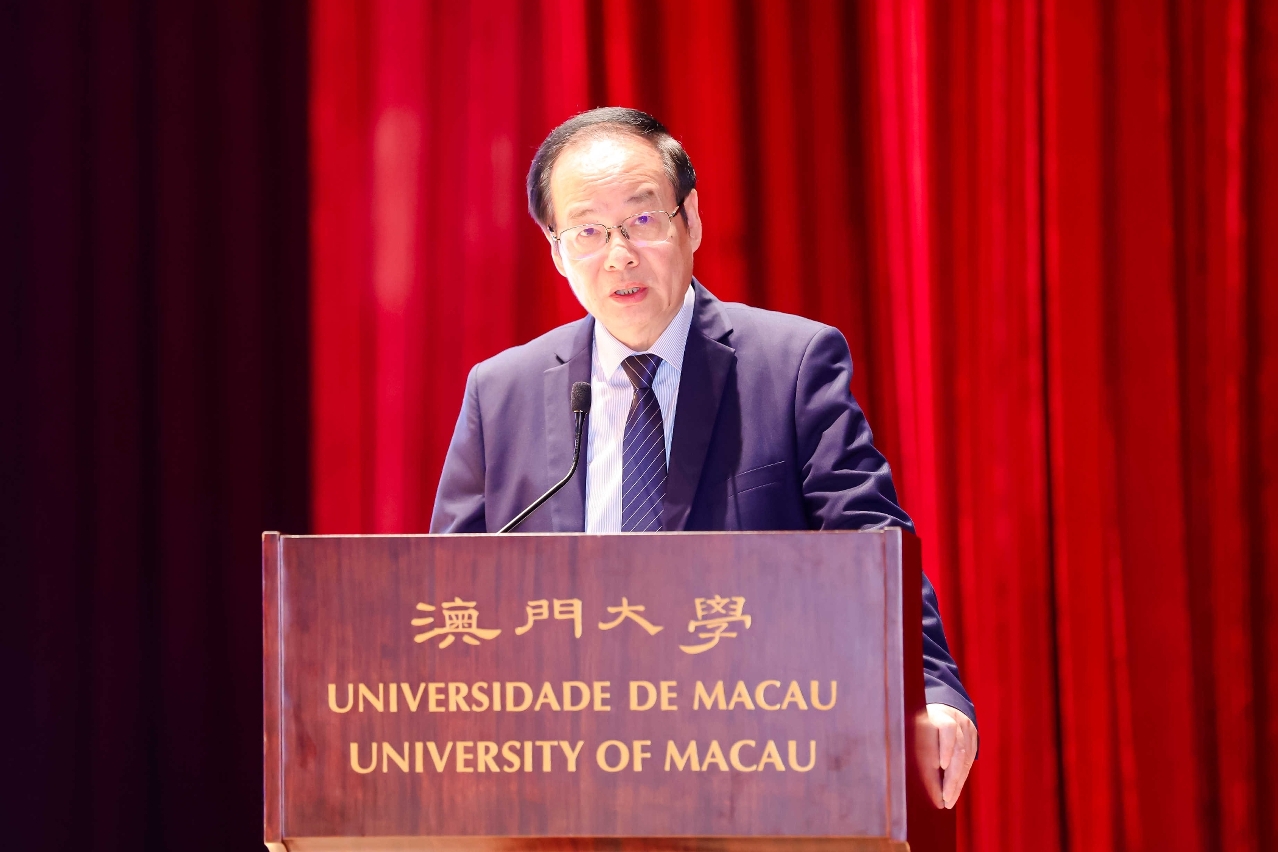
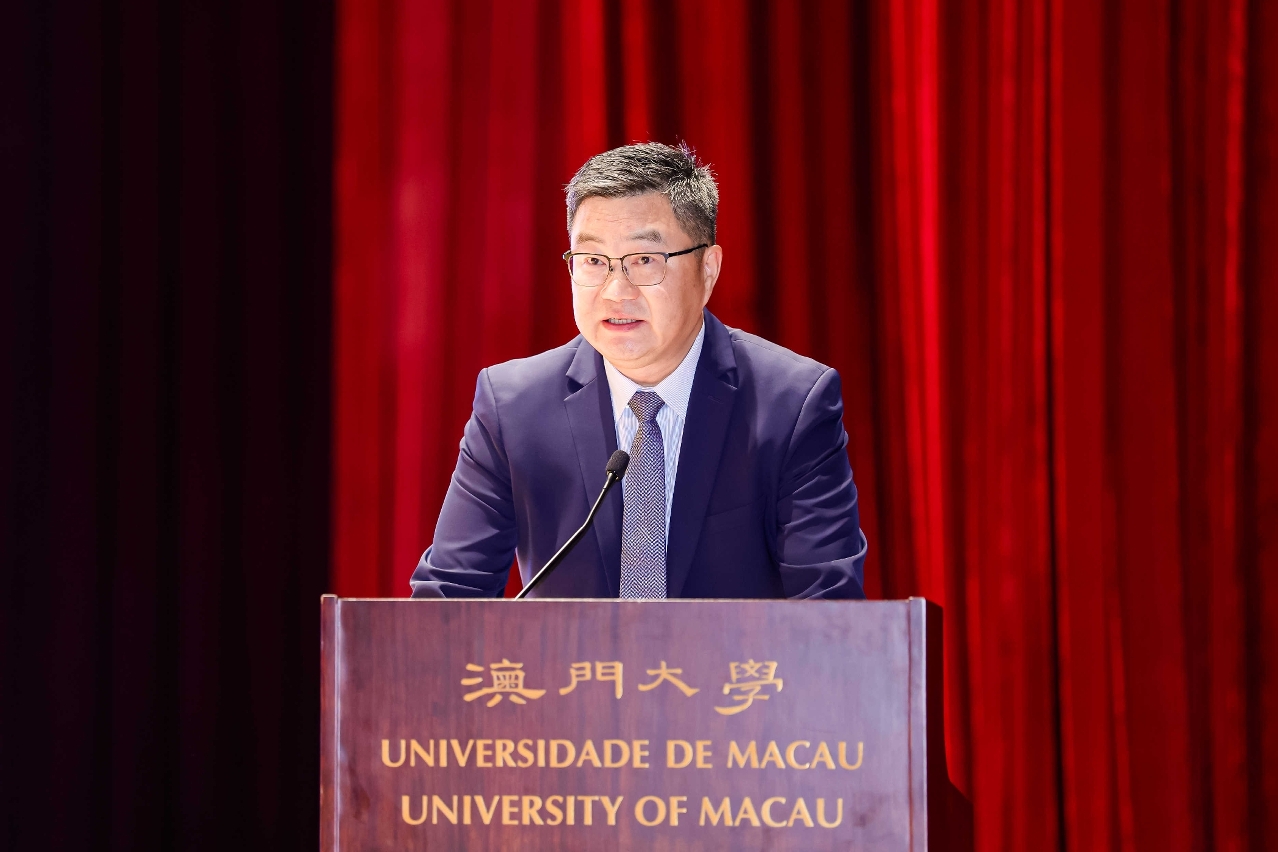
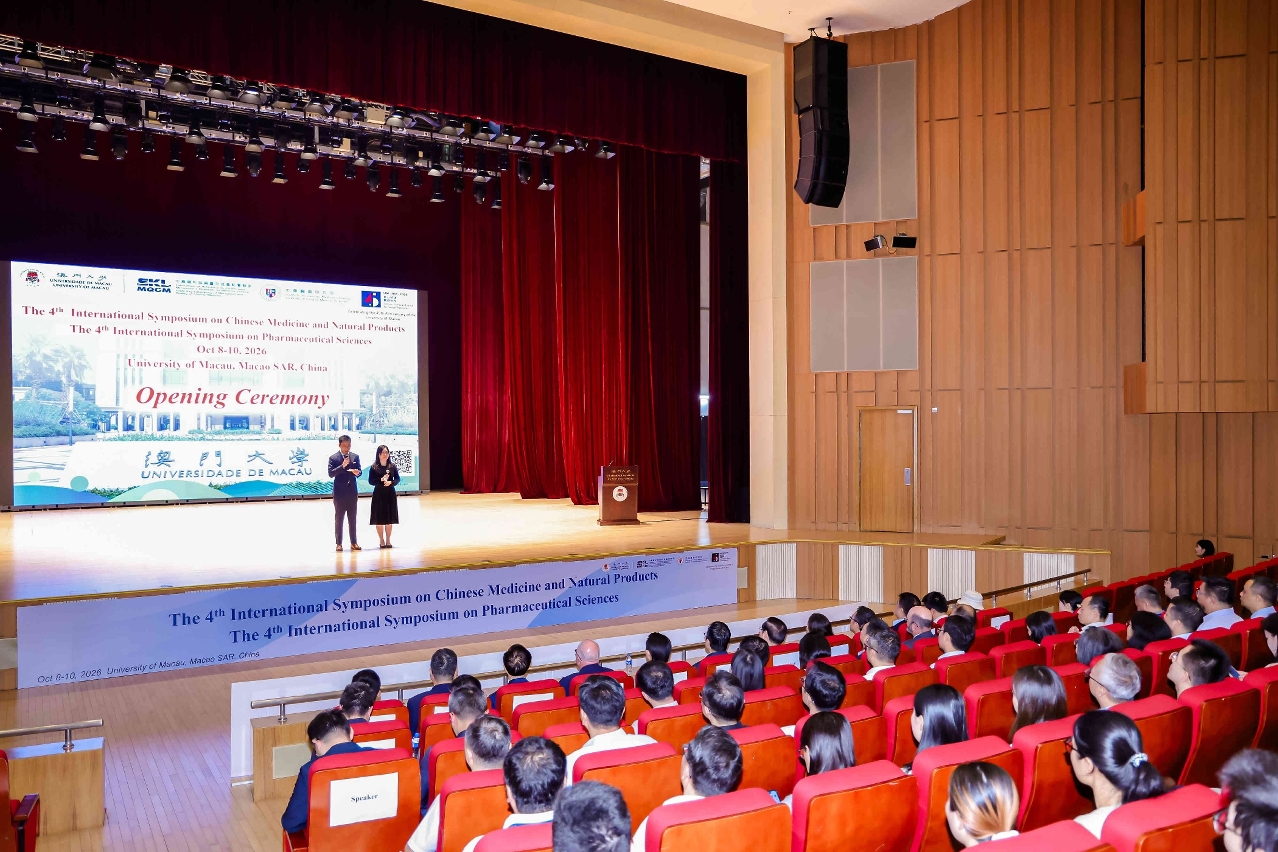
Speaking at the opening ceremony, Ge Wei, vice rector of UM, said that UM is committed to promoting international exchange and cooperation in Chinese medicine and pharmaceutical sciences. He expressed hope that the symposium would serve as a high-level academic platform for facilitating in-depth discussions on key scientific issues regarding Chinese medicine, natural products, and pharmaceutical sciences, advancing the integration of basic research and clinical applications, strengthening international collaboration and multidisciplinary integration, and contributing to the advancement of public health. Chen Xin, director of ICMS and director of SKL-MQCM, noted that the symposium would feature the inaugural Macao Forum on Industrial Development of Chinese Medicine, which aims to enhance collaboration between academia and industry and promote innovation and upgrading in the Chinese medicine industry. He added that this initiative reflects SKL-MQCM’s commitment to supporting Macao’s economic diversification.
The symposium featured 35 presentations by scholars and experts. During the plenary session, Yu Shishan, academician of the Chinese Academy of Engineering, discussed medicinal substances derived from endangered animals and the development of artificial substitutes, while Craig S. Anderson, Distinguished Professor at Fudan University, shared insights from clinical trials involving Chinese medicine. Other speakers included David Rubinsztein, professor at the University of Cambridge; Harald Wajant, professor at the University Hospital of Würzburg; Jia Wei, chair professor at the University of Hong Kong; Li Min, chair professor at the Hong Kong Baptist University; and Wang Xijun, professor at Heilongjiang University of Chinese Medicine. The Macao Forum on Industrial Development of Chinese Medicine brought together seven industry leaders, including Zhang Ning, CSO of Yunnan Baiyao Group, to discuss opportunities, challenges, and internationalisation strategies for the Chinese medicine industry.
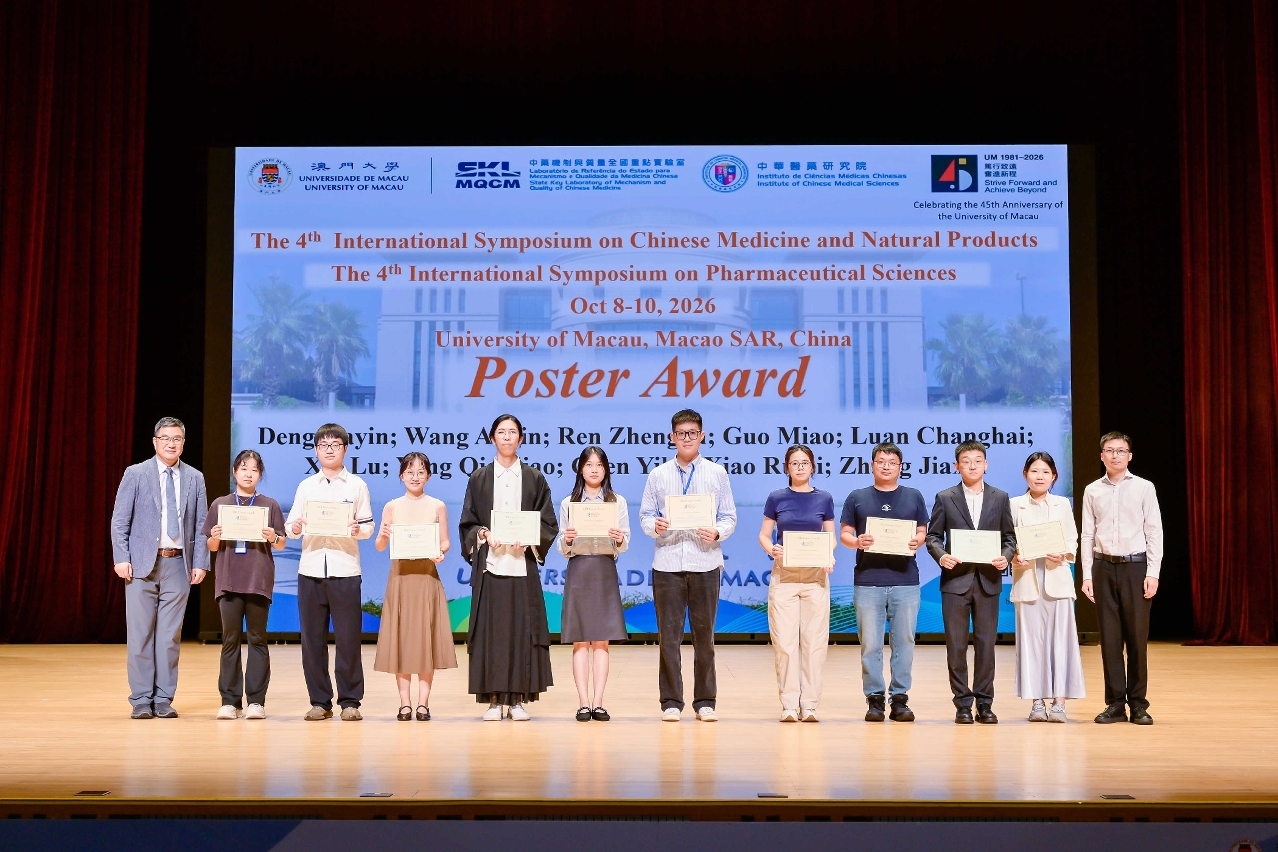
In addition, the symposium featured a Young Scientists Forum and a poster session showcasing more than 60 research posters, providing a platform for early-career researchers to present their findings. Ten outstanding posters were selected for the Society for Leukocyte Biology (SLB) Trainee Award and the Chinese Medicine Young Scientist Award.