 Award Ceremony for Bocuse d’Or Asia-Pacific 2026 is held today (2 November)
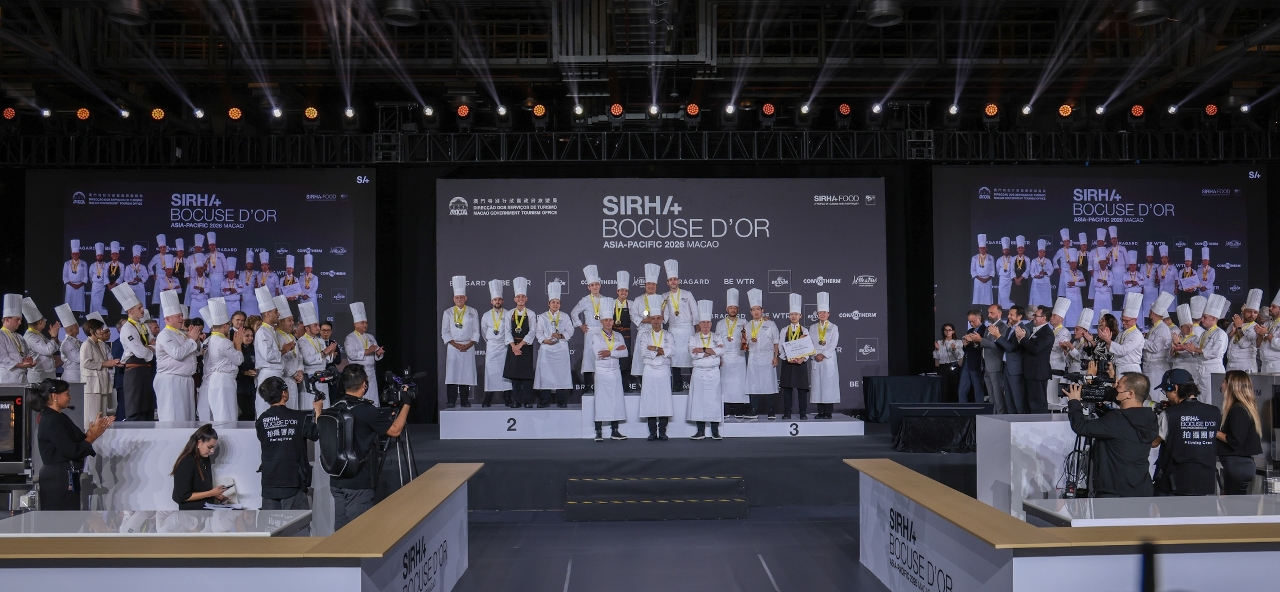
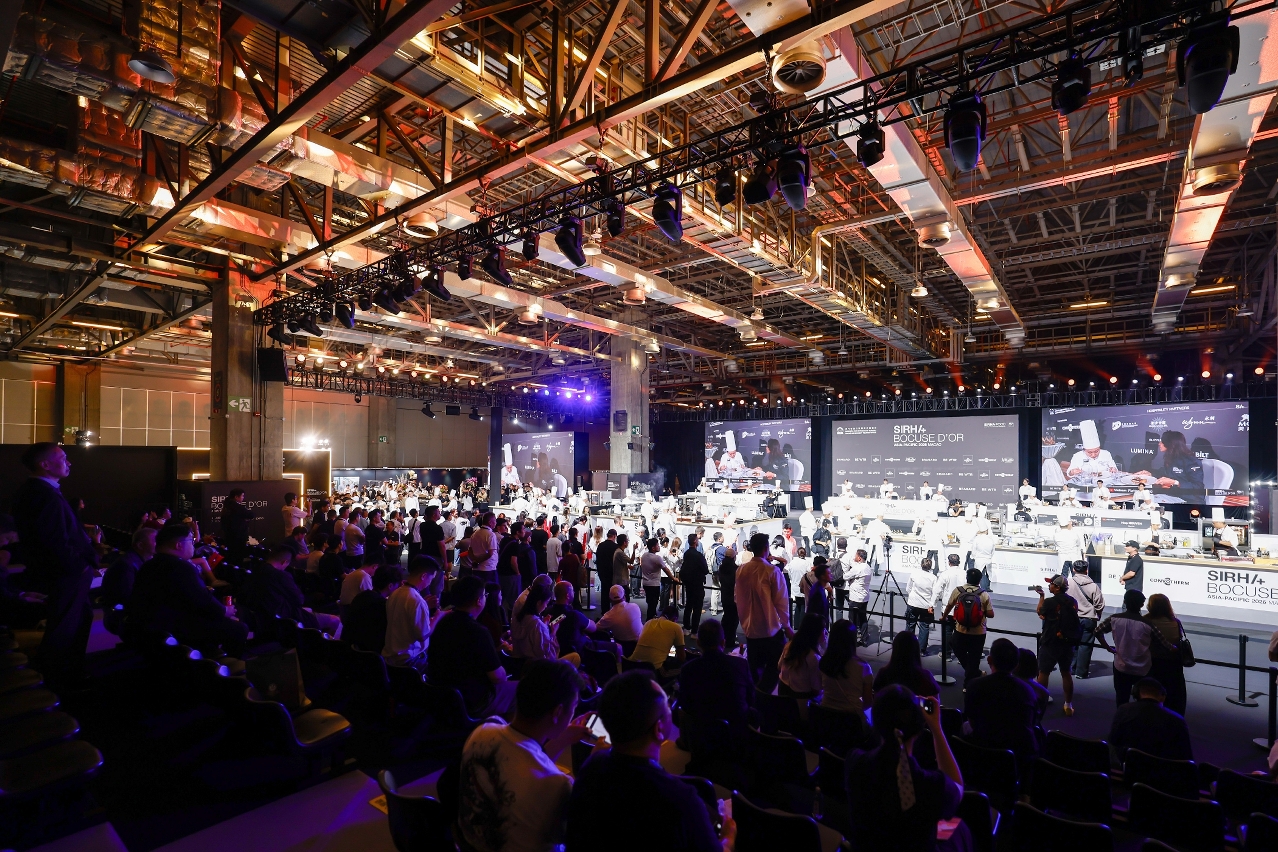
After two days of rigorous competition, the Bocuse d’Or Asia-Pacific 2026 unveiled its list of winning elites today (2 November). Five acclaimed teams have secured their way to the global Grand Final in Lyon, France in January 2027. Regarded internationally as the “Olympics of Gastronomy”, the prestigious culinary championship Bocuse d’Or completed its Asia-Pacific selection in Macao for the first time — a window of opportunity for Macao to unleash its impact as an international exchange platform and showcase its unique glamour as a Creative City of Gastronomy to the world.
Eight competing teams reach pinnacles of culinary artistry and creativity
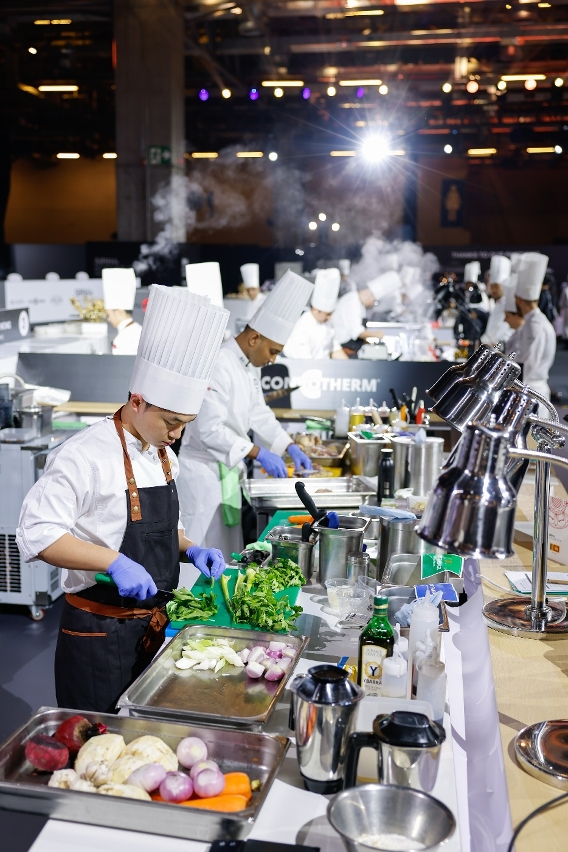
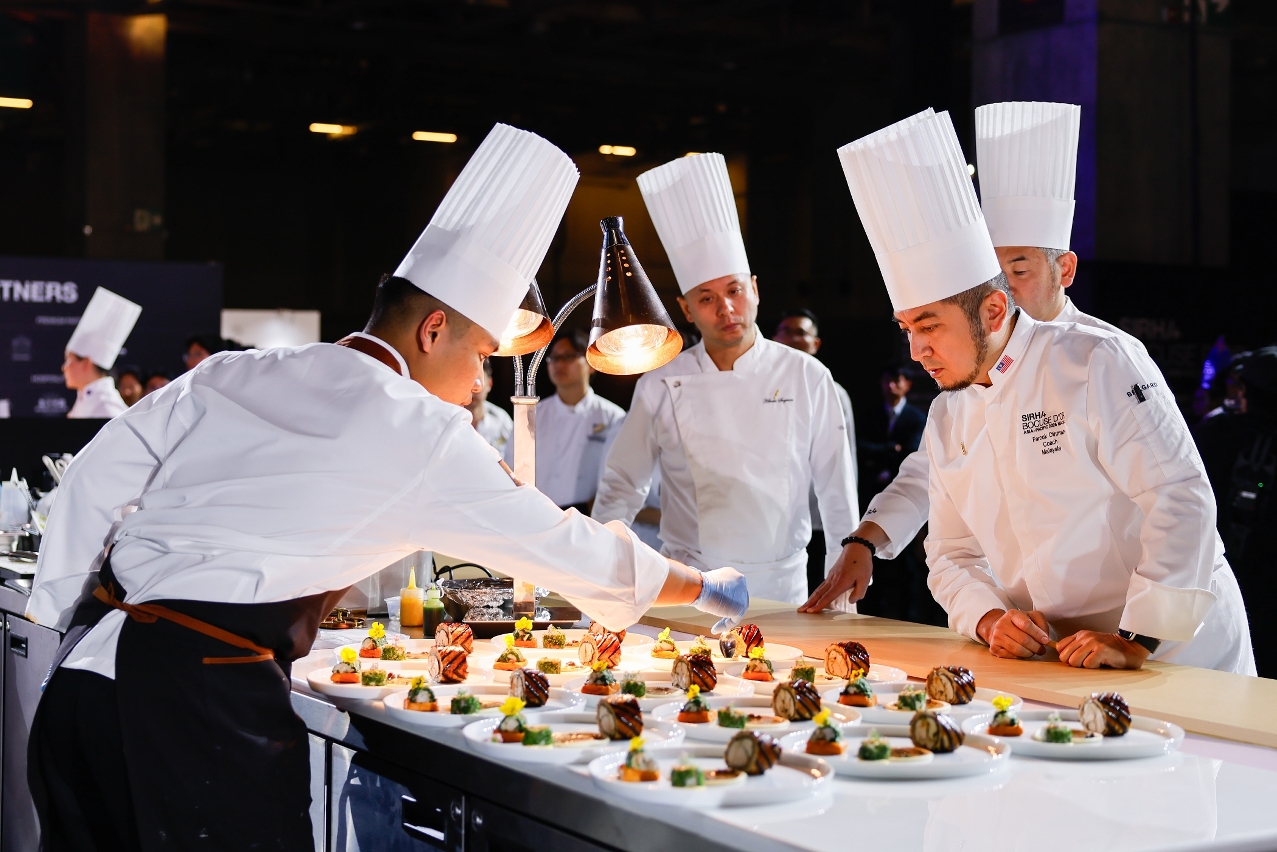
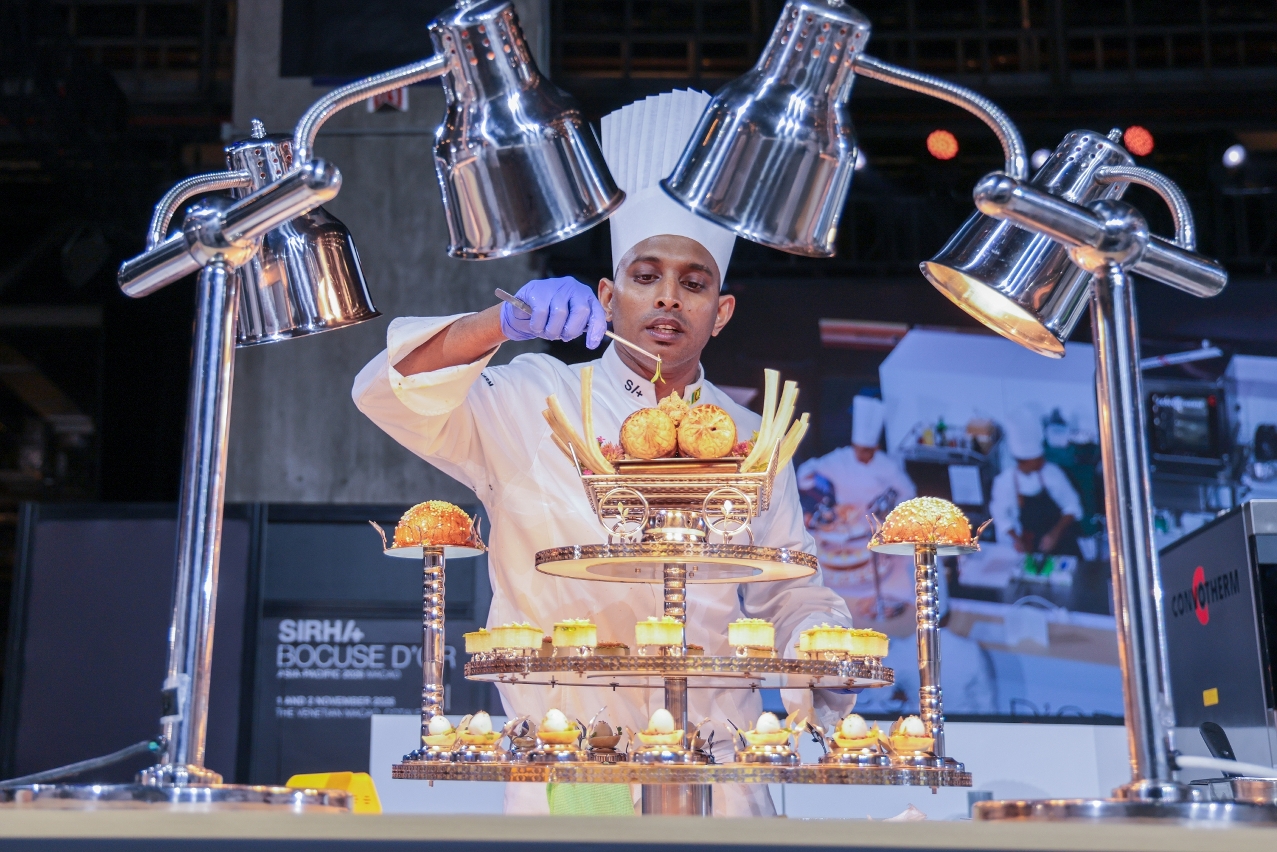
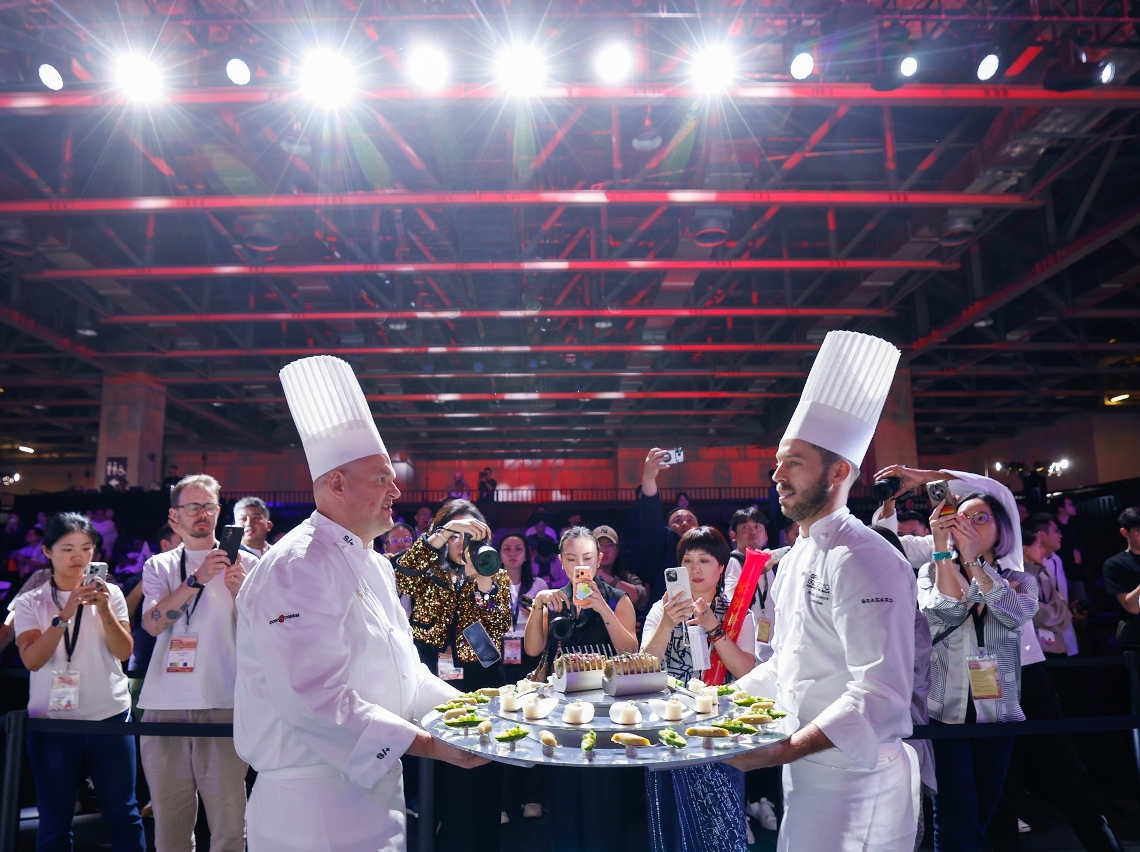
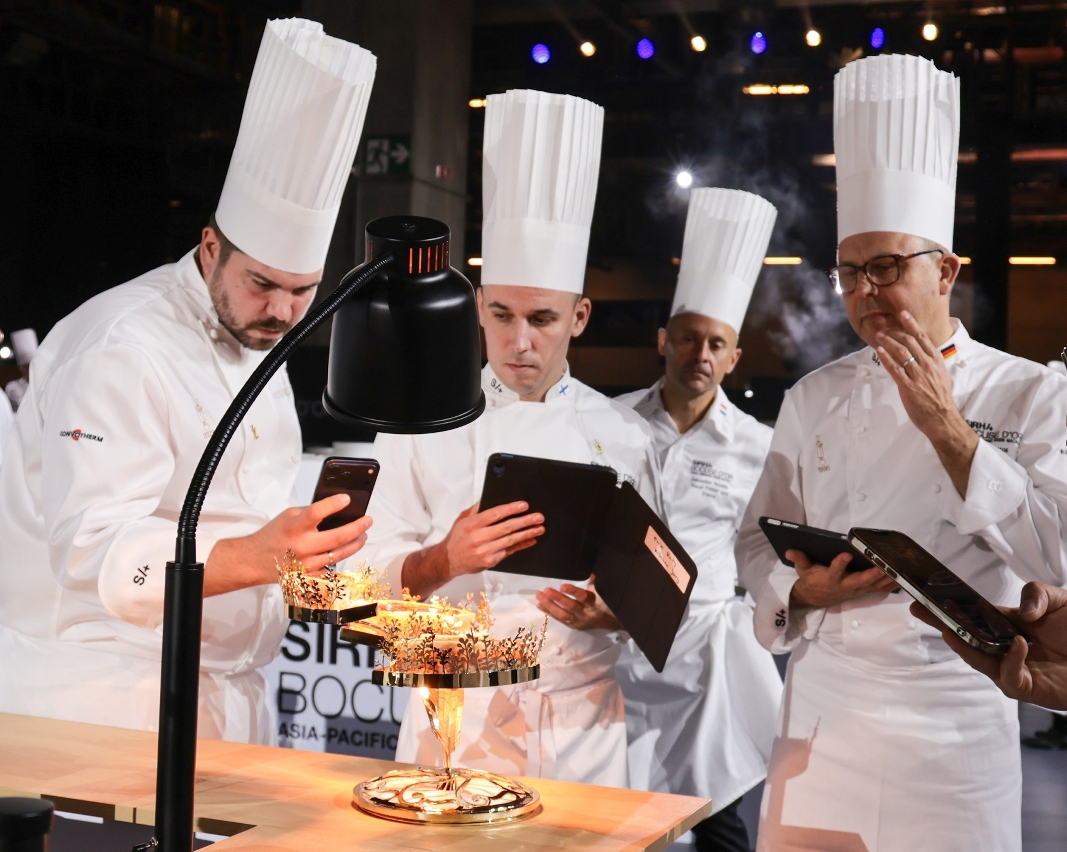
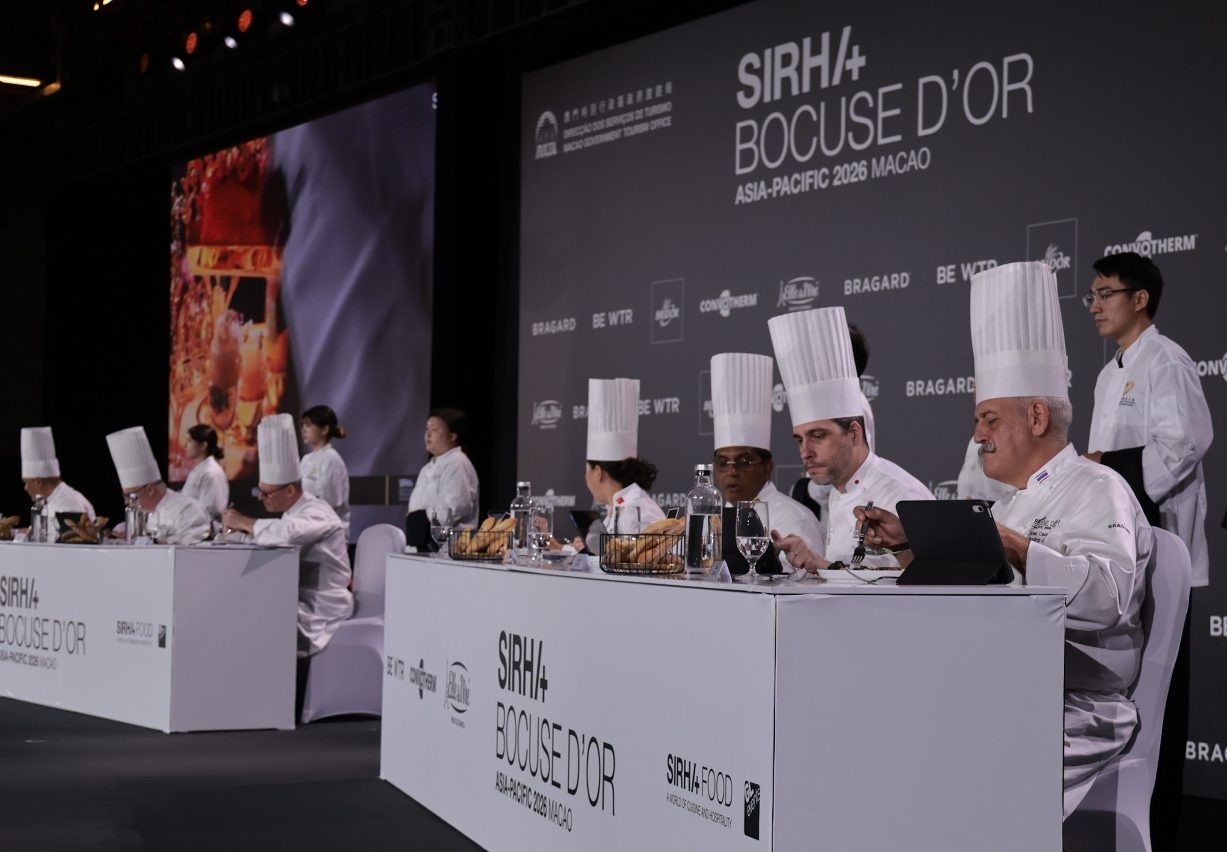
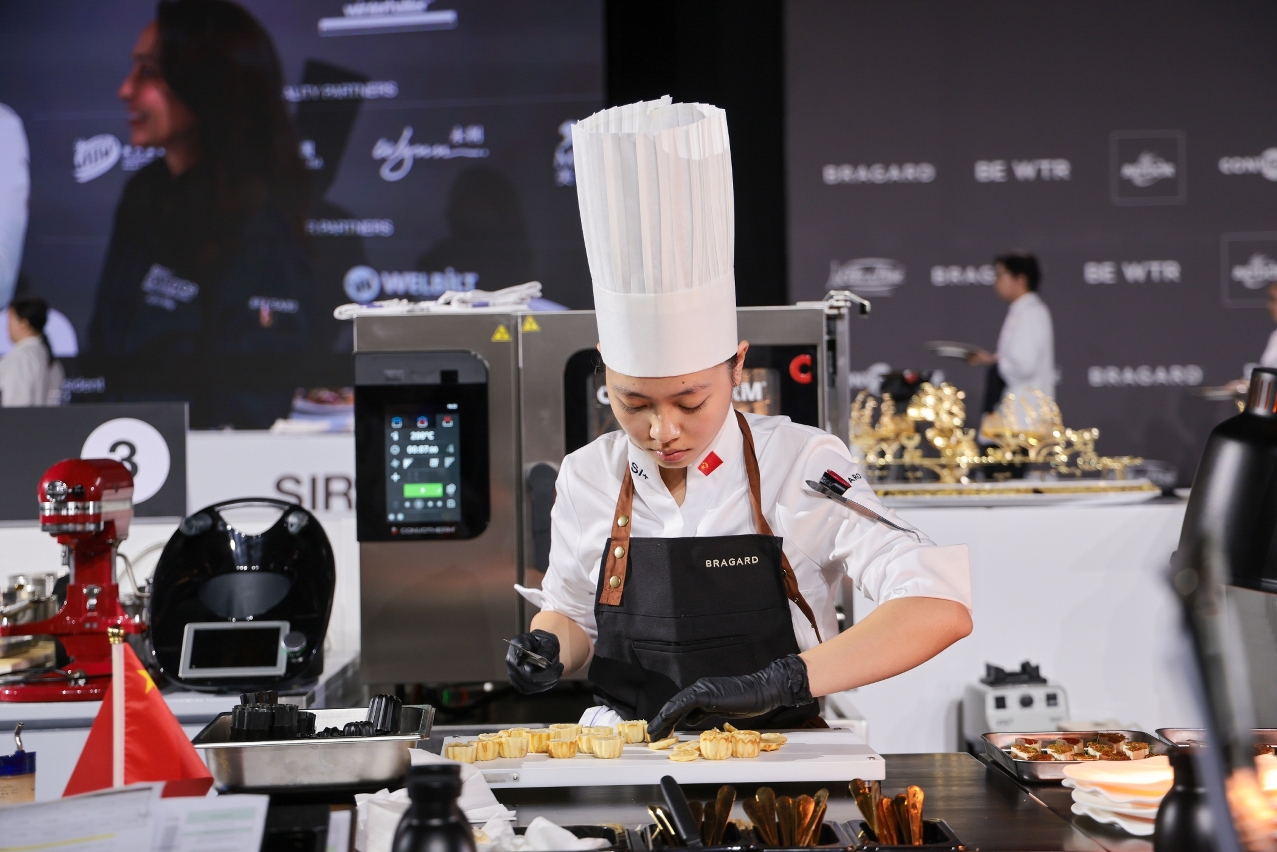
The Bocuse d’Or Asia-Pacific 2026 pitted eight remarkable teams from China, India, Japan, Malaysia, New Zealand, Sri Lanka, Thailand and Vietnam (in alphabetical order) against each other. The Asia-Pacific selection ran over two days (1 and 2 November). Comprising a lead chef and a commis chef among other members, each team crafted the Themed Platter and Themed Plate in creative presentations within five and a half hours. The Tasting Jury, Kitchen Jury, Visual Platter Jury and Commis Jury evaluated their products and performance on creativity, taste, technical skill, overall visual impact, organization, professional presentation and hygiene, among other aspects.
Top five teams enter Grand Final in France next year
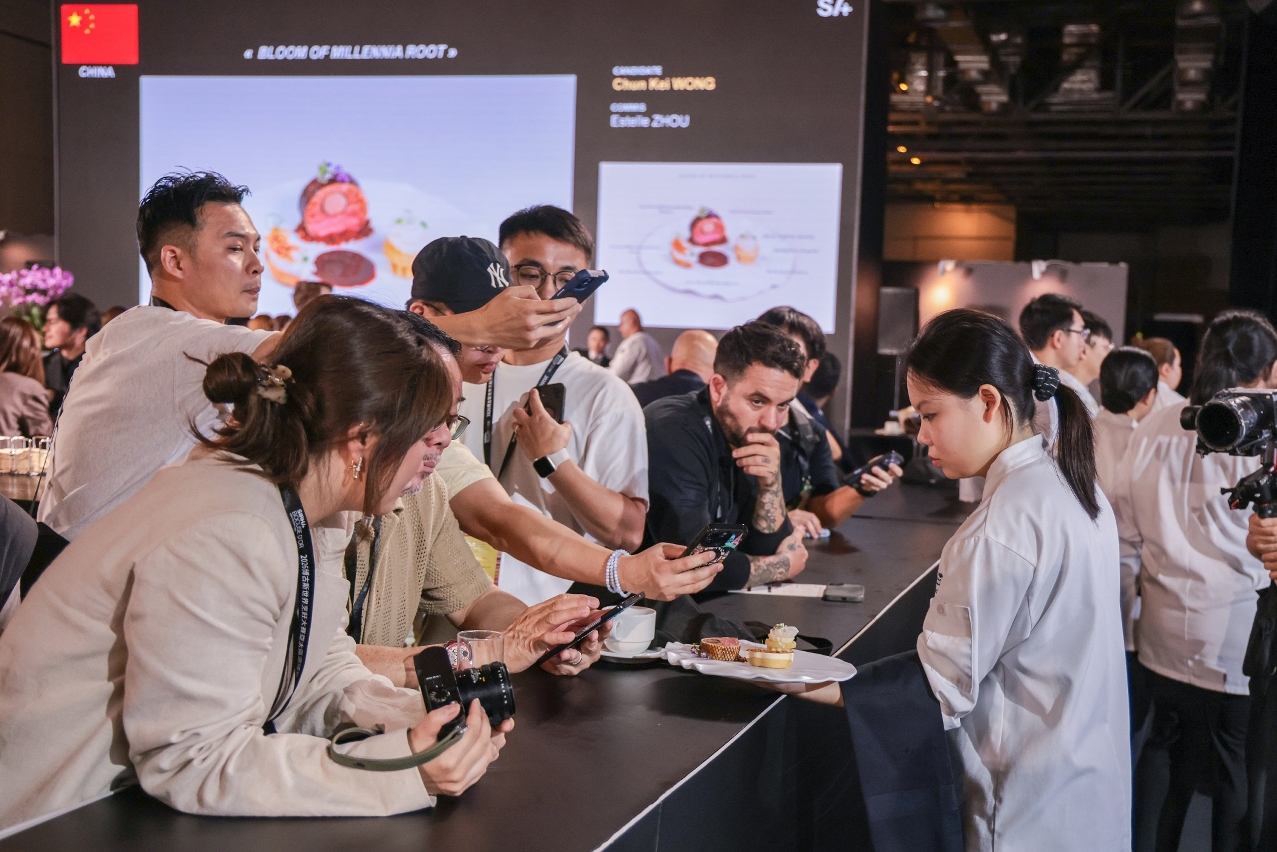
The eight teams were led by the following lead chefs: Vietnam (Lead chef Hiep Nguyen), India (Lead chef Avinnash Vishaal), China (Lead chef Chun Kei Wong), Sri Lanka (Lead chef Nilupul Athauda), New Zealand (Lead chef Kenji Yoshitsuka), Malaysia (Lead chef Muhammad Haikal Abdul Ghani), Japan (Lead chef Tetsuya Asano) and Thailand (Lead chef Chutima Srichai).
Over the two days, the eight teams underwent rigorous competition and completed intensive culinary challenges at a fast pace, giving full play to their creativity, professionalism and team coordination. The first, second and third prizes went to the following teams and lead chefs — Japan (Lead chef Tetsuya Asano), Thailand (Lead chef Chutima Srichai) and China (Lead chef Chun Kei Wong), followed by New Zealand (Lead chef Kenji Yoshitsuka) and Malaysia (Lead chef Muhammad Haikal Abdul Ghani) in the fourth and fifth places. The five acclaimed teams will join the Grand Final at Sirha Lyon, the international hospitality and catering trade fair in France in January 2027.
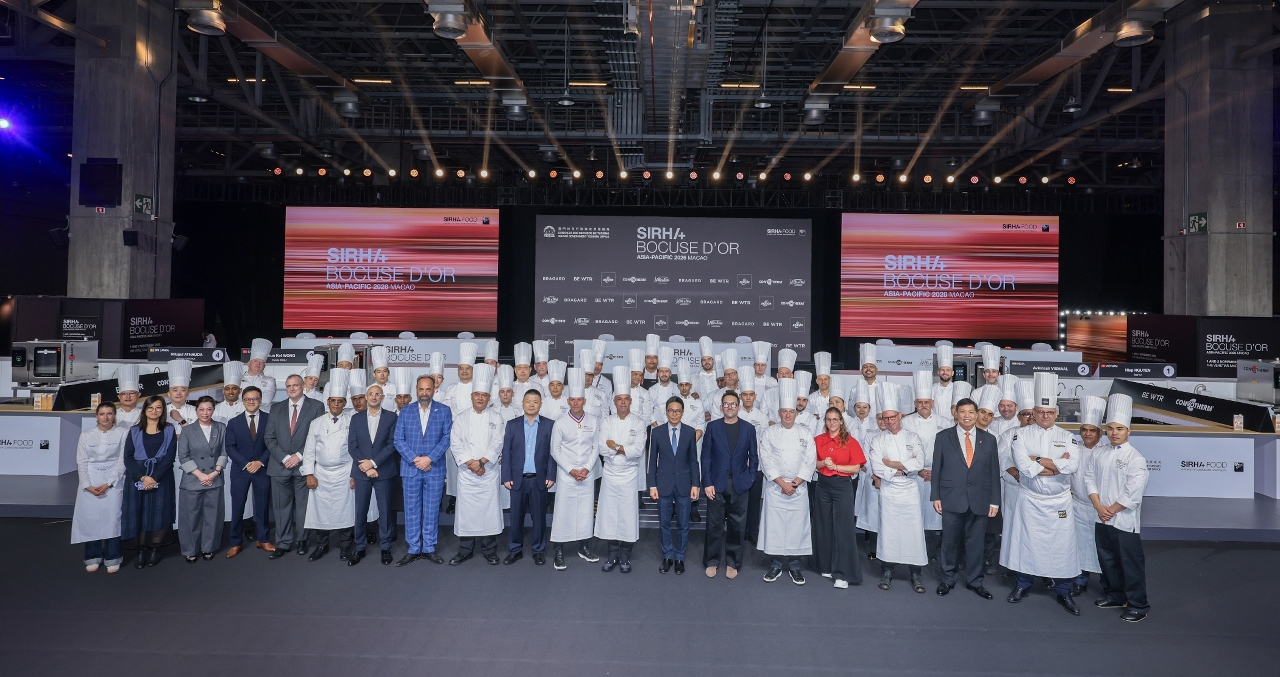
The Award Ceremony for the Bocuse d’Or Asia-Pacific 2026 took place at The Venetian Macao tonight (2 November). Acting Director of Macao Government Tourism Office (MGTO), Cheng Wai Tong; Chairman of GL Events, Olivier Ginon; President of Bocuse d’Or Competition, Jérôme Bocuse; President of the International Organizing Committee of the Bocuse d’Or, Davy Tissot; Competition President of the Bocuse d’Or Asia-Pacific 2026, Stefan Stiller; Jury President of the Bocuse d’Or Asia-Pacific 2026, Emmanuel Stroobant; Honorary President of the Bocuse d'Or Asia-Pacific 2026, Peter Chan; Coordinator for Culinary Arts Management Programme of the Macao University of Tourism, Christy Ng Yen Nee; Assistant Vice President of Food & Beverage of Sands China Ltd., Gerhard Passrugger; Senior Vice President of Food & Beverage of Wynn Macau and Wynn Palace, Jean-Marc Dizerens; and Senior Vice President of Hospitality of MGM, Iwan Dietschi, attended the ceremony along with catering and tourism professionals, journalists and other personages.
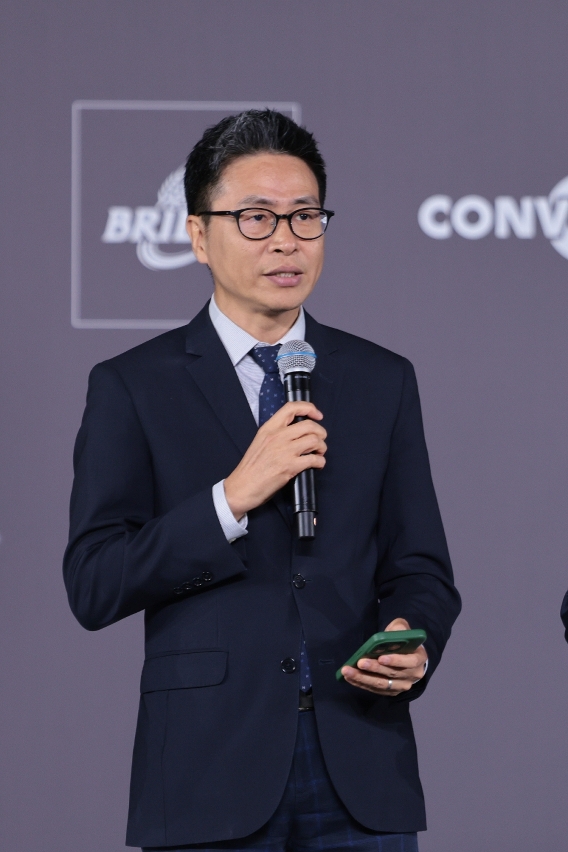
Acting Director of MGTO, Cheng Wai Tong, indicated in his speech that gastronomy is a key ingredient for Macao’s success as a world centre of tourism and leisure. As Macao prepares to celebrate the tenth anniversary of its designation as a UNESCO Creative City of Gastronomy next year, this “Olympics of gastronomy” has further inspired the city to strive for excellence, innovate, embrace its uniqueness and aim for sustainable development.
Bocuse d’Or Asia Pacific highlights Macao’s capabilities as Creative City of Gastronomy and international exchange platform
Founded by the renowned French chef Paul Bocuse in 1987, the Bocuse d’Or is a biennial global chef championship acclaimed for the professional excellence of its entry dishes and the rigorous system of the competition. More than 70 teams have joined this edition of the Bocuse d’Or to compete across national and continental selections before entering the global Grand Final over a two-year period. The continental selections cover Europe, Asia-Pacific, Americas, the Middle East and Africa. After all the continental selections are completed, a total of 24 teams will advance to the global Grand Final in January 2027.
Following the designation of Macao as a UNESCO Creative City of Gastronomy in 2017, MGTO has been dedicated to advancing gastronomic culture preservation and exchange through a variety of initiatives. Hosting the Bocuse d’Or Asia-Pacific for the first time reflects international recognition for the capabilities of the MICE and catering industries in Macao. The prestigious event fostered integration between “tourism + gastronomy” and enriched Macao’s offerings as a world centre of tourism and leisure. Furthermore, high-end travelers and international professionals were attracted to Macao, in turn elevating the city’s status as an international platform. Local catering professionals had the opportunity to witness the world’s top culinary event, which fostered mutual exchange and learning — a boon for Macao’s tourism and overall development as a Creative City of Gastronomy in the long run.
For more information, please visit the official website of the Bocuse d’Or Asia-Pacific 2026: https://www.bocusedor.com/en/content/continentale-asie-pacifique?utm_source=google&utm_medium=organic&utm_campaign=fallback.